Garrett Morgan patented the safety hood in 1912 and had to hire a white actor to demo it - buyers refused to deal with a Black inventor. When an explosion trapped workers 120 feet under Lake Erie in 1916, Morgan descended into the tunnel at 3am wearing his hood and pulled 8 men out alive. The press barely named him. He later sold his traffic signal patent to GE for $40,000.
He Patented the Gas Mask. Then Used It to Save 8 Lives.
In the early hours of July 25, 1916, Garrett Morgan did something that two previous rescue parties had already failed to do: he walked into a gas-filled tunnel 120 feet beneath Lake Erie - and walked back out with survivors.
An Inventor Nobody Wanted to Buy From
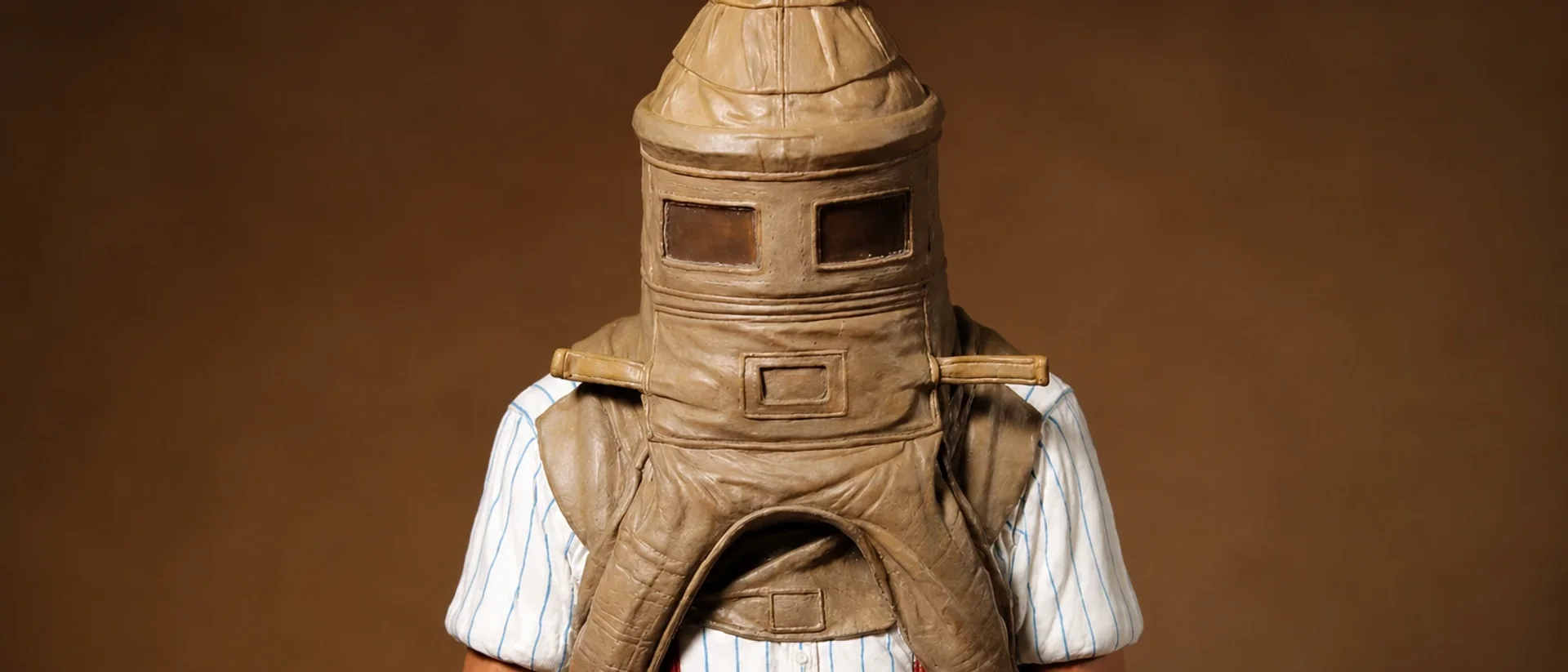
Morgan had been building toward this moment for years without knowing it. Born in 1877 in Kentucky to formerly enslaved parents, he left school after sixth grade and moved to Cleveland as a teenager. He taught himself enough to open a sewing machine repair shop, then a tailoring business. By 1912, he had received a patent for what he called the "safety hood" - a fabric breathing device that filtered out smoke and noxious gases.
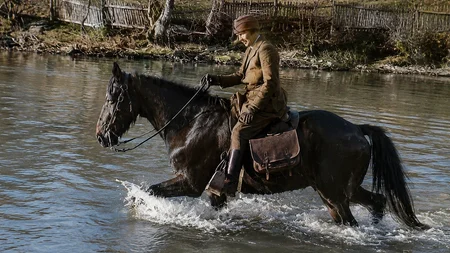
The invention worked. But selling it was another problem. White fire chiefs and industrial buyers refused to purchase equipment from a Black inventor. Morgan's workaround was striking: he hired a white actor to pose as the inventor at demonstrations, while Morgan attended as a Native American sidekick named "Big Chief Mason." In New Orleans, disguised as Big Chief Mason, he stayed inside a tent filled with formaldehyde, burning pitch, and sulfur - so thick that a searchlight could only penetrate three feet - for 20 minutes. The device worked perfectly. The inventor went unrecognised.
The Night the Tunnel Exploded
On the evening of July 24, 1916, a nine-man crew was working deep inside Cleveland's newest waterworks tunnel - a 10-foot-wide passage being bored outward under Lake Erie to a new intake crib nearly four miles from shore. The crew hit a pocket of natural gas. The explosion buried them and filled the tunnel with fumes and debris.
Two rescue parties went in. Both were overcome by gas. Twenty-one people died in total - the original crew and many of their would-be rescuers. Cleveland police arrived but could not enter safely. Then someone remembered Morgan.
He Showed Up at 3am
Morgan received a call from a Cleveland police officer in the early hours of July 25. He and his brother Frank loaded safety hoods into a car and drove to the waterworks. They did not wait. Wearing the hoods, the brothers descended into the tunnel - the same tunnel that had already killed rescuers - and began pulling men out. They made multiple trips. Eight men were brought out alive. Morgan was photographed reaching the surface crib with a man barely clinging to life, the image appearing the following morning in the Cleveland News.
The Part the Papers Left Out
Major newspapers including the New York Times, Los Angeles Times, and Chicago Tribune failed to mention Morgan in their reports. The Cleveland Plain Dealer gave him almost no coverage despite his appearing in their own photographs. Four white rescuers received Carnegie Hero Fund medals. Morgan was denied one - the fund manager wrote that his invention had "lessened the risk" to his own life, meaning the very tool that made the rescue possible was used as grounds to withhold recognition.
Cleveland citizens took a different view. On February 4, 1917, they held a ceremony and presented Morgan with a diamond-studded gold medal.
What He Built Next
Morgan continued inventing. In 1923 he patented a three-position traffic signal - the precursor to the modern traffic light - that added a third "stop all directions" phase to prevent collisions at intersections. He sold the rights to General Electric for $40,000, equivalent to roughly $600,000 today. He also founded a Black-owned newspaper, the Cleveland Call, and remained an active civic figure until his death in 1963. His safety hood was later refined alongside other designs to produce the gas masks used by soldiers in World War I.
Enjoyed this? Get a new fact every morning.
A fascinating fact in your inbox every morning. Free. Unsubscribe anytime.
Frequently Asked Questions
What did Garrett Morgan invent?
How many people did Garrett Morgan save in the 1916 tunnel disaster?
Why did Garrett Morgan hire a white actor to demonstrate his gas mask?
Why was Garrett Morgan denied the Carnegie Hero Medal?
What happened to Garrett Morgan after the tunnel rescue?
Verified Fact
This fact has been reviewed and verified against original sources.
Source: Scientific AmericanShow verification details
Multiple sources confirmed: Scientific American, Britannica, biography.com, Carnegie Hero Fund, Cleveland Historical all corroborate.