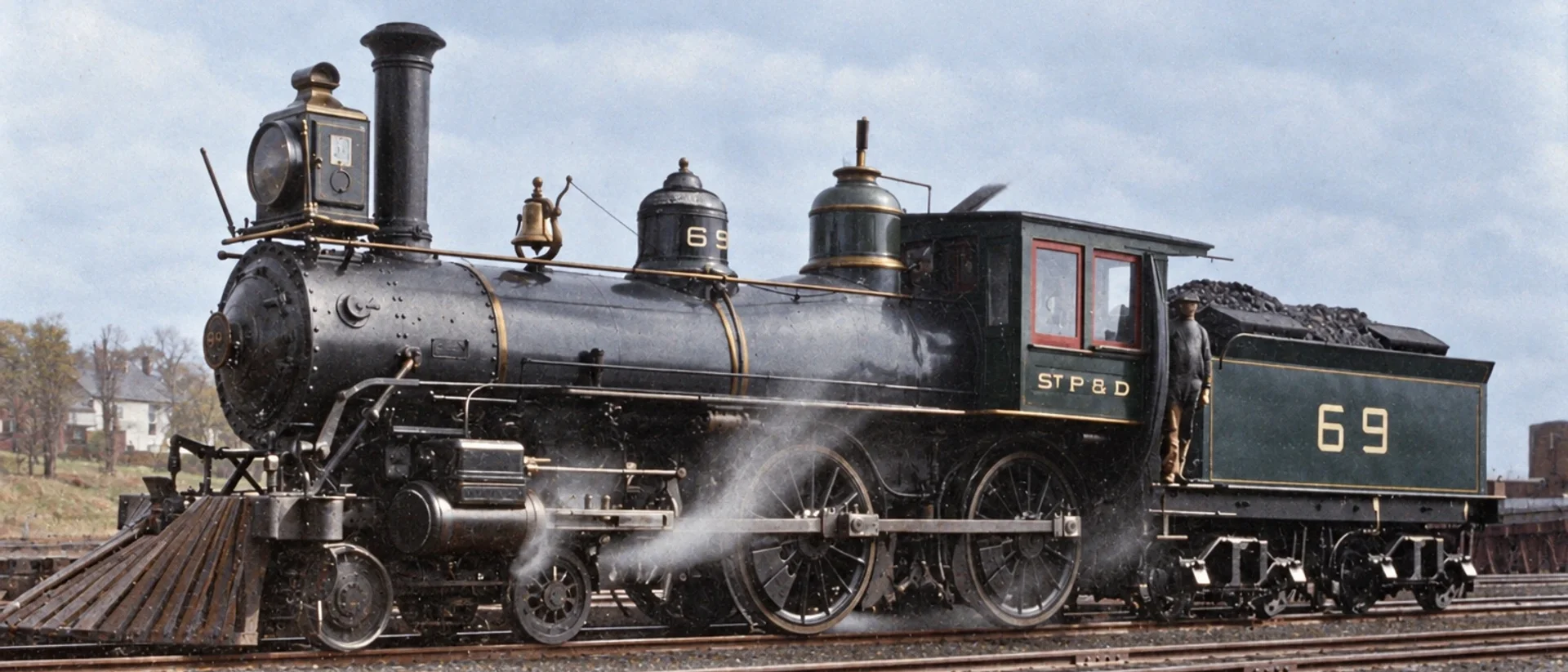
Engineer James Root ran a passenger train five miles in reverse through a firestorm, with more than 150 fleeing townspeople aboard. On September 1, 1894, with fire closing in on Hinckley, Minnesota, he stopped short of the town and let them climb on. Glass from the cab windows cut his head and neck and he blacked out, but his fireman revived him and Root got the train to Skunk Lake. Hundreds of people got out alive.
The Engineer Who Backed a Train Through a Firestorm
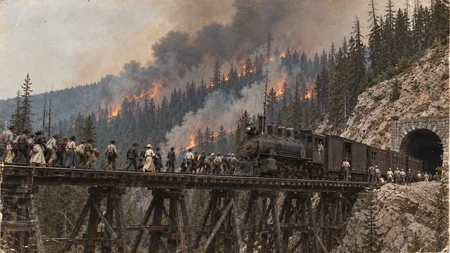
On the afternoon of September 1, 1894, engineer James Root was bringing the southbound Duluth Limited toward Hinckley, Minnesota, through thickening smoke. He never reached the station. He reversed his train instead, and he blacked out at the throttle before it was over.
A Track Full of Refugees
Root's St. Paul & Duluth train was running at about 40 mph as it neared the town. A mile north of Hinckley, people fleeing along the tracks, badly burned and hysterical, reached the train and begged to be let aboard. The railroad bridge into town was already damaged, so the train could go no farther.
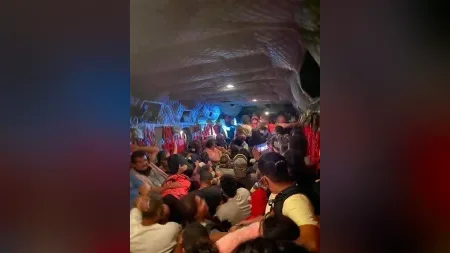
Root, fireman John McGowan, conductor Tom Sullivan and porter John Blair took on as many people as they could. The Hinckley Fire Museum says more than 150 people climbed aboard.
Five Miles Backward
The nearest safe water was Skunk Lake, five miles behind them, so Root put the engine in reverse. Sullivan doubted they would make it. "Then we will die together," Root said he answered, in his own account of the run.
As the train began to back up, an explosion set the engine, tender and baggage car on fire and shattered the cab windows. Glass cut Root badly on the head and neck, and he fainted from blood loss. The train slowed to a crawl. McGowan, who had been in the tender tank, revived him with water, and he came around.
Root opened the throttle and raced backward. Blair and Sullivan moved through the burning cars, handing out wet towels and beating out fires on seats and clothing. Some passengers jumped out of the windows into the flames.
Skunk Lake, Ten Minutes Ahead
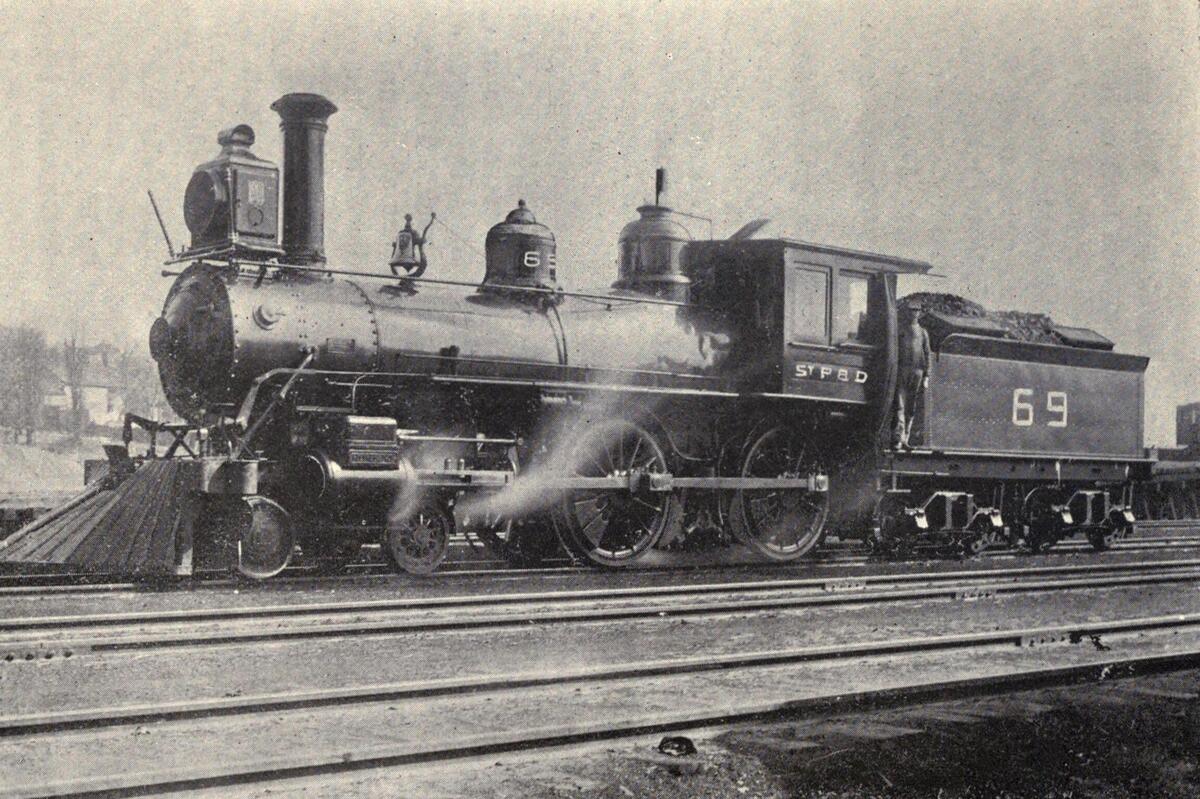
Accounts put the dash at 10 to 20 minutes. By Wikipedia's account the train reached Skunk Lake at 4:25 p.m., roughly ten minutes ahead of the firestorm. Sullivan, Blair and McGowan helped passengers into the water, and Blair checked the whole train seconds before the main fire arrived.
When the coal pile in the tender caught fire, Root had McGowan pull the pin and they moved engine No. 69 forward, clear of the burning tender. Root, down on the cab floor again, was helped into the water by McGowan and another man.
The refugees stayed in the swamp for about an hour until the fire died down. Counts of how many lived because of the train differ by source: a relief committee in 1894 credited Root with two hundred lives, Wikipedia credits Root and his crew with 200 to 300 lives, and the Minnesota Historical Society says the train left Hinckley with over 300 refugees. The Hinckley Fire Museum says only that the crew saved hundreds.
What the Fire Left
The Great Hinckley Fire killed more than 400 people. The coroner counted 413, and the monument in Hinckley lists 418.
The museum in Hinckley still tells the story of Root and McGowan on its heroes page.
Source:Hinckley Fire Museum
Enjoyed this fact?
Be the first to love this
Get a new fact every morning.
A fascinating fact in your inbox every morning. Free. Unsubscribe anytime.
Frequently Asked Questions
Who was James Root in the Hinckley fire?
How many people did the Hinckley fire train save?
Who was John McGowan?
Why did the train go in reverse?
Verified Fact
Verified Nov 10, 2026 · 5 sources checked
Source: Hinckley Fire MuseumShow verification details
Claims checked
- Engineer James Root stopped near Hinckley on September 1, 1894 and more than 150 people climbed aboard
- He ran the train five miles in reverse through the fire to Skunk Lake
- Glass from the cab windows cut his head and neck and he blacked out; his fireman revived him
- Number saved reworded to "hundreds" (sources give 200 to 300 or over 300)
- Blackout count and the uncoupling reworded to match Root's own account
Sources: Hinckley Fire Museum, Minnesota Historical Society, Wikipedia, History of the Great Minnesota Forest Fires (1894), Minnesota Forest Fires (1895)
Related Topics
More from History & Culture
View all History & Culture →