
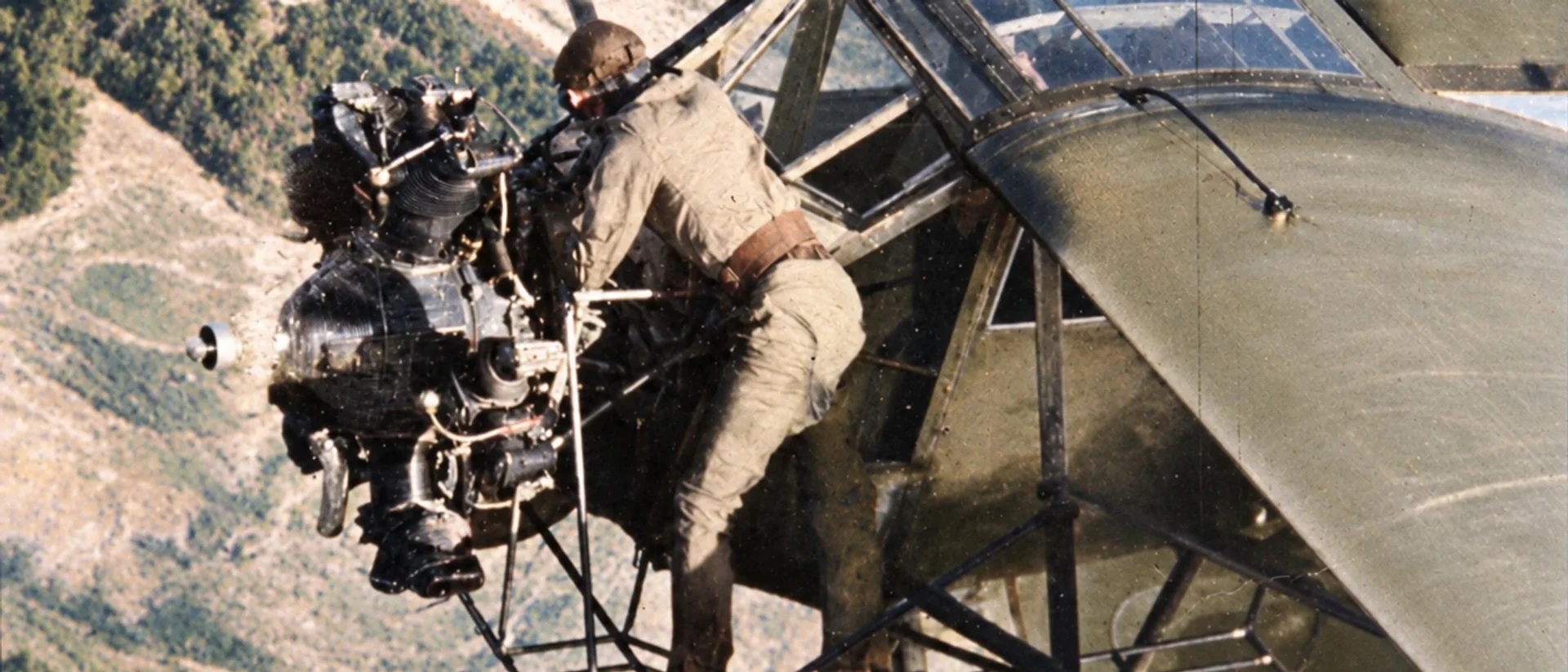
In 1935, two brothers kept a plane in the air over Mississippi for 27 days straight, and one walked out onto a catwalk to service the engine in flight. Al and Fred Key ran Meridian's airport, and the Depression-strapped city was weighing closing it. They chased the world endurance record to put it on the map. A second plane lowered fuel by hose. The airport stayed open, was renamed Key Field, and Air Guard tankers fly from it today.
Two Brothers Flew 27 Days to Save an Airport
In June 1935, two brothers took off from Meridian, Mississippi, in a borrowed Curtiss Robin named Ole Miss and did not land for 27 days. They flew to save the small city airport they ran, which the Depression-strapped city was thinking of closing.
An Airport Nobody Wanted to Pay For
Al and Fred Key had barnstormed in the 1920s and later ran Meridian's municipal airport. During the Great Depression, the city weighed abandoning the field because of what it cost to maintain.
The brothers decided the best defense was attention. If they could keep a plane in the air longer than anyone ever had, the world would hear about Meridian, and the city would have a reason to keep its airport.
Gas by Hose, an Engine by Hand
This was their third attempt. They took off at 12:32 p.m. on June 4, 1935, and flew figure eights over the city while a second plane flew above them.
That plane lowered food and supplies on a rope and passed down fuel through a long flexible tube. Spilled gasoline can ignite on a hot exhaust, so the Keys and a local mechanic, A. D. Hunter, built a nozzle with a valve that opened only when the probe was inside the tank's filler neck.
A catwalk was built along the front of the fuselage so a brother could step outside and work on the engine in flight. Fred used it to oil the valve arms and make small adjustments. Once, he nearly fell off after failing to fasten his safety line.
The Last Day
On June 27, the brothers passed the previous endurance mark of 553 hours and 41 minutes. They kept going for four more days.
On June 30, a battery fire broke out after a refuelling contact. It was put out, but the engine had to be restarted and the plane dropped to about 200 feet. A left stabilizer brace had also been weakening, and staying up longer was judged "unnecessarily hazardous."
They landed on July 1 after 653 hours and 34 minutes, about 52,000 miles and roughly 6,000 gallons of gas, with one tire still flat from earlier.
What the City Kept
The airport stayed open and was renamed Key Field in the brothers' honor. Fred ran the Key Brothers Flying Service there until he died in 1971.
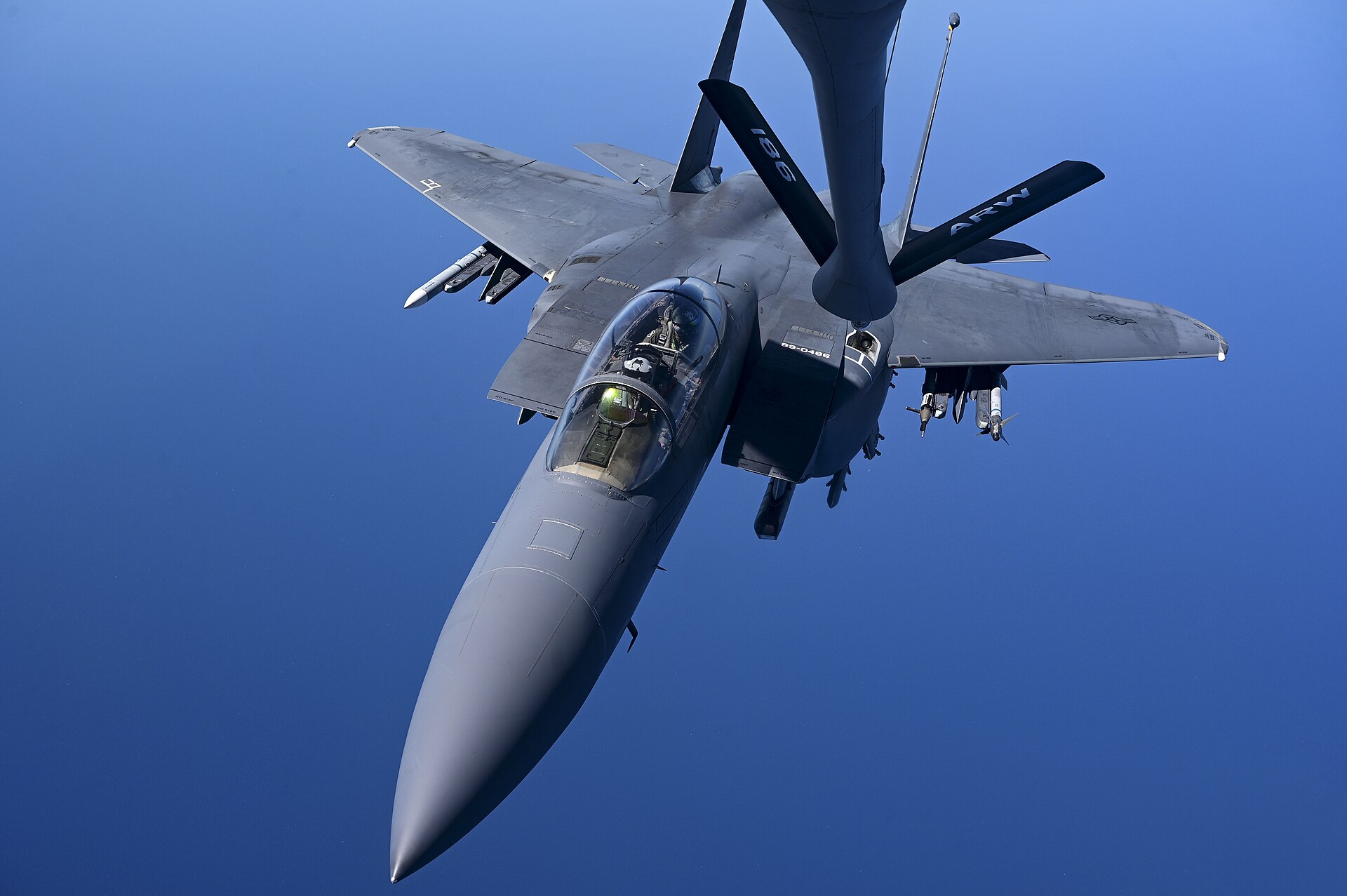
Today Key Field Air National Guard Base is home to the Mississippi Air National Guard's 186th Air Refueling Wing, which flies KC-135R Stratotanker refuelling aircraft. Ole Miss hangs in the Smithsonian's National Air and Space Museum in Washington, D.C.
Enjoyed this fact?
Be the first to love this
Get a new fact every morning.
A fascinating fact in your inbox every morning. Free. Unsubscribe anytime.
Frequently Asked Questions
How long did the Key brothers stay in the air in 1935?
How did the Key brothers refuel in mid-air?
Why did the Key brothers fly for so long?
Why is it called Key Field?
Where is the Ole Miss airplane today?
Verified Fact
Verified Nov 7, 2026 · 5 sources checked
Source: EAA Vintage Aircraft AssociationShow verification details
Claims checked
- Two brothers flew a Curtiss Robin over Meridian, Mississippi for 653 hours 34 minutes (27 days), June 4 to July 1, 1935
- A catwalk let a brother work on the engine in flight
- A second plane passed fuel down through a flexible hose
- Meridian was weighing closing the airport during the Depression (wording corrected from planned to close)
- The airport was renamed Key Field and the 186th Air Refueling Wing flies KC-135 tankers from it today
Sources: EAA Vintage Aircraft Association, Wikipedia, 186th Air Refueling Wing, Smithsonian National Air and Space Museum
Related Topics
More from History & Culture
View all History & Culture →