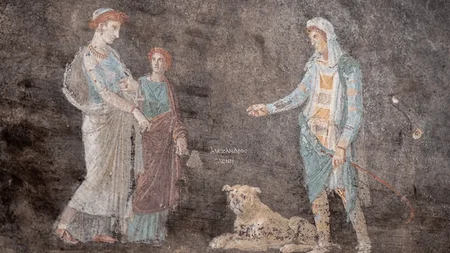
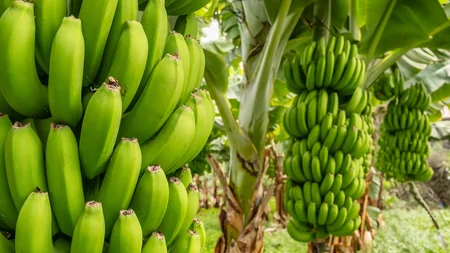
Ancient Romans prized a plant called Silphium so highly for its medicinal and contraceptive properties that they harvested it into extinction by the first century AD.
The Ancient Plant Romans Loved to Extinction
In ancient Rome, there was a plant so valuable that its image was stamped on coins, its weight measured in silver, and its trade made entire cities wealthy. That plant was Silphium—and the Romans loved it so much they wiped it off the face of the Earth.
The Wonder Drug of Antiquity
Silphium grew wild in a narrow coastal strip near the Greek colony of Cyrene (modern-day Libya). The Romans couldn't get enough of it. They used it for:
- Contraception and abortion
- Treating coughs, fevers, and indigestion
- A culinary spice rivaling its cousin, asafoetida
- Wart removal and all-purpose medicine
The plant's resin, called laser, was particularly prized. Women would drink it mixed with wine monthly to prevent pregnancy, making it one of history's earliest known oral contraceptives.
Worth Its Weight in Silver
Silphium was so central to Cyrene's economy that the city put the plant on its currency. Julius Caesar reportedly stored 1,500 pounds of Silphium in the Roman treasury—not as medicine, but as a strategic reserve alongside gold and silver.
The problem? Silphium stubbornly refused to be domesticated. Every attempt to cultivate it failed. The plant only thrived in its wild habitat, and Romans had to harvest it directly from nature.
Death by Popularity
You can probably see where this is going.
Demand kept climbing. Supply couldn't keep up. Roman writers noted the plant becoming increasingly scarce throughout the first century BC. Pliny the Elder, writing around 77 AD, reported that only a single stalk had been found in living memory—and it was sent directly to Emperor Nero as a curiosity.
After that? Nothing. Silphium vanished from history.
Some scholars believe climate change in North Africa contributed to its demise. Others point to overgrazing by livestock. But the primary culprit was almost certainly overharvesting by humans who couldn't resist the plant's many uses.
The Heart-Shaped Legacy
Here's a romantic footnote: Silphium's seedpod was shaped like a heart. Some historians theorize that our modern ❤️ symbol derives from this ancient contraceptive plant—a visual shorthand for love and, well, its physical expressions.
Whether or not that's true, Silphium remains a cautionary tale. The Romans, for all their engineering genius and administrative prowess, managed to consume an entire species out of existence. They wanted it too much, took too much, and left nothing behind but coins bearing the image of what they'd lost.
Today, botanists occasionally claim to have rediscovered Silphium in remote Turkish highlands. None of these claims have been verified. The miracle plant of the ancient world, it seems, is gone for good.
Frequently Asked Questions
What was Silphium used for in ancient Rome?
Why did Silphium go extinct?
When did Silphium go extinct?
Is the heart symbol based on Silphium?
Could Silphium still exist today?
Verified Fact
This fact has been reviewed and verified against original sources.
Show verification details
Corrected exaggeration - Silphium's extinction wasn't solely due to 'too much sex' but multiple factors including overharvesting for various uses and environmental changes.
Related Topics
More from History & Culture
View all History & Culture →