
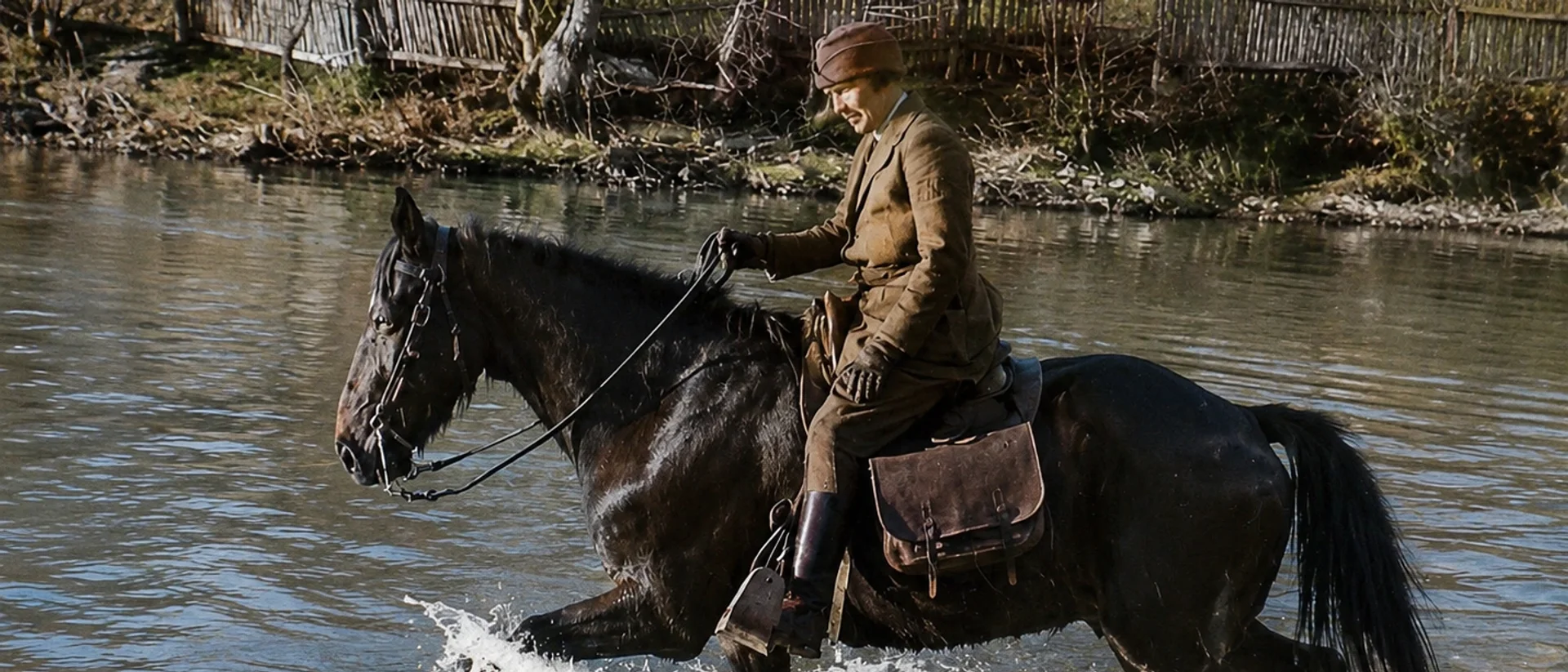
Nurses on horseback delivered babies in the Kentucky mountains. With no roads, they forded rivers in the dark. Mountain children were told nurses carried babies in their saddlebags. A new baby usually arrived soon after a nurse's visit. In their first 1,000 births, not one mother died. The nation lost more than 5 mothers in every 1,000. The horses are gone now. Nurse-midwives are still there.
The Nurses Who Rode Horseback to Deliver Kentucky's Babies
In 1925, the mountains of Leslie County, Kentucky had no paved roads, no railroad, and almost no doctors. A woman in labor had one option: wait for a nurse who could get to her on horseback.
No Roads, No Doctors
Mary Breckinridge, a registered nurse from a prominent Kentucky family, had lost her own two children young. She turned that grief into a plan: bring trained nurse-midwives into the hardest-to-reach parts of Appalachia.
In 1925 she founded the Frontier Nursing Service, opening a clinic in Hyden and later a headquarters at Wendover. The service covered roughly 700 square miles of steep, roadless terrain.
Since American nursing schools didn't yet train midwives, Breckinridge recruited nurses with equestrian experience from Britain, and paid for American nurses to train abroad in exchange for two years of service back home.
The Nurses Bring the Babies in Their Saddlebags
By the mid-1930s, the sight was familiar: a nurse in a blue-gray riding coat and knee-high boots, her horse's saddlebags packed with everything she might need for a birth.
Because a new baby in the family usually showed up right after a nurse-midwife's visit, mountain children were told a simple story: the nurses brought the babies in their saddlebags.
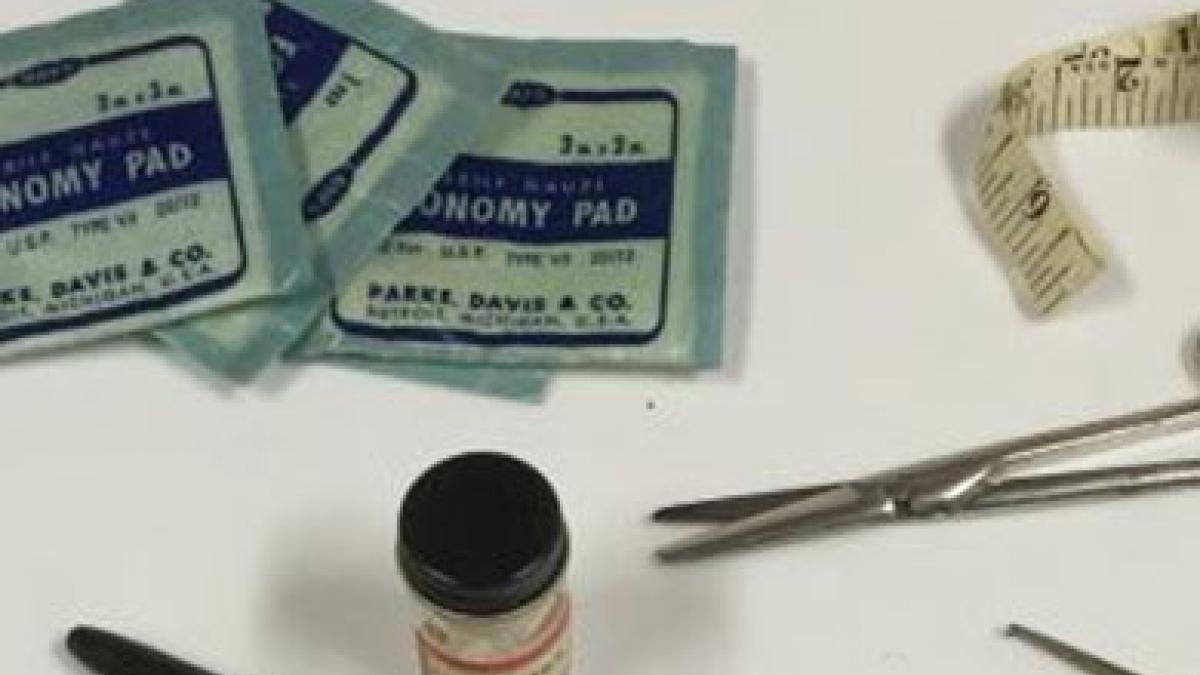
Breckinridge used the image in fundraising material to keep the service running. It worked, and it stuck.
Fording Rivers in the Dark
There was no way around the terrain. When a summons came, a nurse-midwife saddled her horse, lit a lantern if it was night, and rode - fording rivers when there was no bridge.
A 1931 documentary, "The Forgotten Frontier," filmed the service in its earliest years, including nurses crossing a river on horseback in ice and snow to reach a woman in labor. The film is now preserved in the National Film Registry and held by the National Library of Medicine.
Not One Mother Lost
The results were tracked closely, because Breckinridge needed proof to keep donors funding the service. A review of the Frontier Nursing Service's first 1,000 births found something the country's biggest hospitals couldn't match: not one mother died.
At the time, the United States overall was losing more than 5 mothers for every 1,000 births. In the poorest, most isolated part of Kentucky, riding in on horseback, the nurses beat that record without losing a single one.
Over the service's first 30 years, its maternal death rate held at 9.1 per 10,000 births, against a national rate of 34 per 10,000 - a gap that held up over decades, not just a lucky early stretch.
By the time Breckinridge died in 1965, nurse-midwives had delivered more than 14,500 babies and recorded just 11 maternal deaths across 40 years of riding into cabins no doctor would reach.
A Line That Never Broke
The organization Breckinridge built is still training nurse-midwives today, under the name Frontier Nursing University. It is one of the longest continuously operating nurse-midwifery programs in the country.
The horses are gone. The women they trained to go where no one else would are not.
Frequently Asked Questions
Who founded the Frontier Nursing Service?
Why did Frontier Nursing Service nurses ride horses?
Where does the phrase about nurses bringing babies in their saddlebags come from?
How many maternal deaths did the Frontier Nursing Service have?
Does the Frontier Nursing Service still exist today?
Verified Fact
Verified Aug 16, 2026 · 4 sources checked
Source: HistoryNetShow verification details
Claims checked
- Zero maternal deaths in first 1,000 Frontier Nursing Service births
- National rate at that time was over 5 deaths per 1,000 births
- Nurses on horseback delivered babies in Kentucky mountains, fording rivers in the dark
- Children told nurses carried babies in saddlebags
- Nurse-midwives still operating in Kentucky today, though horses are gone
Sources: HistoryNet, Wikipedia, Frontier Nursing University, UK Libraries Special Collections