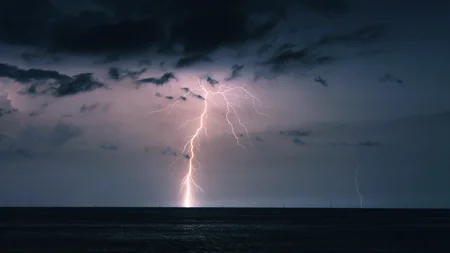
Florida has more tornados per square mile than any other state.
Florida Has More Tornadoes Per Square Mile Than Any State
When you think of tornadoes, the flat plains of Kansas and Oklahoma probably come to mind. But here's a twist: Florida actually has more tornadoes per square mile than any other state in America, including the famous Tornado Alley states. It's a fact that surprises most people, but the science behind it is fascinating.
The key word here is density. While Texas sees around 126 tornadoes per year and Oklahoma gets about 52, Florida's smaller geographic footprint means it packs more twisters into each square mile. When meteorologists calculate tornadoes per 10,000 square miles, Florida comes out on top every time.
Why Does Florida Get So Many Tornadoes?
Florida's tornado factory runs on a different engine than the Midwest supercells you see on storm chaser videos. The Sunshine State experiences more thunderstorms than any other state—and thunderstorms are tornado breeding grounds. Florida's unique geography, surrounded by water on three sides, creates the perfect conditions for these storms.
During summer, sea breezes from the Atlantic Ocean and Gulf of Mexico collide over the Florida peninsula, triggering afternoon thunderstorms almost daily. These storms, while less intense than Great Plains supercells, spawn numerous small tornadoes. Hurricane season adds another layer, with tropical systems regularly producing tornado outbreaks—like Hurricane Milton in October 2024, which generated a particularly destructive swarm.
But They're Not All Created Equal
Here's the important caveat: Florida's tornadoes are generally weaker than their Midwest cousins. Oklahoma holds the distinction for the highest number of strong tornadoes per unit area. Florida's twisters typically form from ordinary thunderstorms rather than the massive rotating supercells that produce EF4 and EF5 monsters in the Plains.
Think of it this way: Florida gets quantity, while Tornado Alley gets quality. Most Florida tornadoes are brief, relatively weak EF0 or EF1 tornadoes that touch down, cause some damage, and dissipate quickly. The death and destruction associated with Midwest tornadoes is much rarer in Florida.
The Shifting Tornado Landscape
Recent studies show that tornado activity is actually shifting eastward from the traditional Tornado Alley. The Southeast, including Florida, has seen increased tornado frequency in recent years, while parts of the Great Plains have seen slight decreases. Climate researchers are still investigating whether this represents a long-term trend or natural variability.
Between January and May 2024, the United States detected 1,117 tornadoes nationwide—the highest count since 2011. Florida contributed significantly to this tally, reinforcing its position as America's unexpected tornado density champion.
What This Means for Floridians
Living in the state with the most tornadoes per square mile means Florida residents need to stay weather-aware year-round, not just during a specific "tornado season" like Midwest states experience. The threat exists throughout the year, with peaks during summer thunderstorm season and hurricane season.
The good news? Florida's tornadoes are generally more predictable than those in Tornado Alley. They tend to occur during specific weather patterns—afternoon thunderstorms or tropical systems—giving residents some warning. Modern weather radar and warning systems have made it easier to detect these smaller tornadoes before they strike.
So while Florida might be famous for its beaches, theme parks, and alligators, it deserves recognition for another superlative: tornado density champion of the United States. It's a reminder that nature's most violent storms don't always follow our expectations.
Frequently Asked Questions
Does Florida have more tornadoes than Oklahoma?
Why does Florida get so many tornadoes?
Are Florida tornadoes as dangerous as Tornado Alley tornadoes?
When is tornado season in Florida?
Which state has the most tornadoes total?
Verified Fact
This fact has been reviewed and verified against original sources.
Show verification details
Florida has the highest tornado density (tornadoes per square mile) of any US state. While states like Texas and Oklahoma have higher absolute numbers of tornadoes, Florida leads in frequency per unit area.
Related Topics
More from Places & Culture
View all Places & Culture →