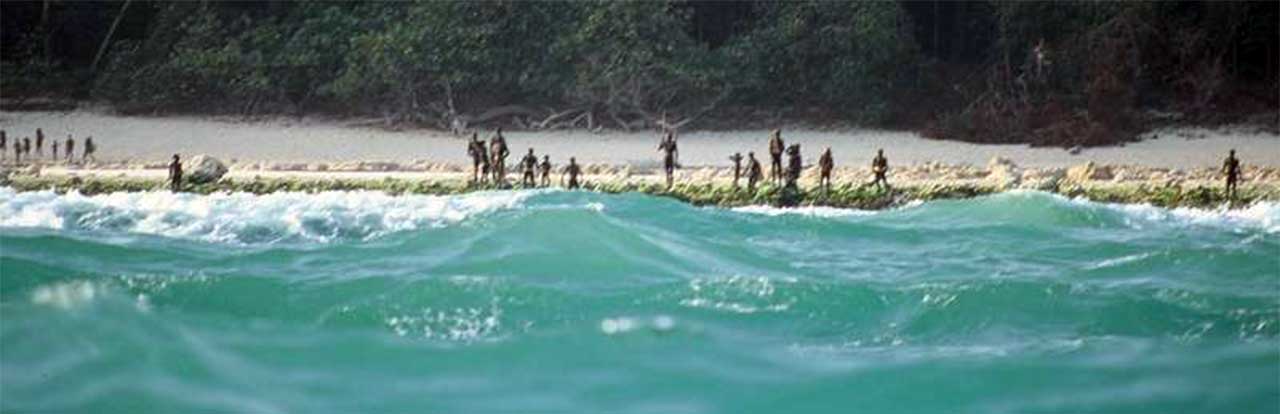
The Sentinelese are a people who live on a tiny island in the Indian Ocean called North Sentinel Island. For thousands of years, they have refused all contact with the outside world. Using only stones and arrows, they have successfully repelled all invaders and remain one of the last uncontacted tribes in the world.
The Sentinelese: Earth's Last Uncontacted Island Tribe
In the Bay of Bengal, there's a forested island roughly the size of Manhattan where time seems to have stopped. North Sentinel Island is home to one of Earth's last uncontacted peoples, and they've made it abundantly clear they want to keep it that way.
The Sentinelese are thought to descend from the first humans to leave Africa, and researchers estimate they may have lived on these islands for as long as 60,000 years. While the rest of humanity developed smartphones and space travel, they've maintained a hunter-gatherer lifestyle that predates written history. And they've defended it fiercely.
Arrows Against the Modern World
Nearly every attempt at contact has been met with the same response: a hail of arrows and stone-tipped spears. In 2006, two fishermen who drifted too close were killed. In 2018, an American missionary who attempted an illegal visit suffered the same fate. The message is unmistakable.
But here's what's remarkable: they're armed with Stone Age technology, yet they've successfully repelled the Indian Navy, anthropologists, and anyone else who's tried to approach. No guns. No metal weapons. Just arrows, determination, and an intimate knowledge of their island home.
Why Leave Them Alone?
The Indian government has established a three-mile exclusion zone around the island, making any unauthorized contact illegal. This isn't just about respecting their wishes, it's about survival.
- The Sentinelese have no immunity to common diseases like influenza or measles
- A single visit could trigger an epidemic that might wipe out the entire population
- Previous contact attempts with similar tribes have been catastrophic: the nearby Onge tribe's population fell from about 670 in 1901 to roughly 100 today after contact with the outside world
- Forcing contact would violate their clear, consistently expressed desire for isolation
A Population Mystery
Nobody knows exactly how many Sentinelese exist. Estimates range from 50 to 500 people. The Indian government conducted distant observations after the 2004 tsunami, confirming survivors were present, but detailed census is impossible without contact.
Their language remains completely unknown. Their customs, beliefs, and social structure are almost entirely a mystery. They are as close to a blank spot on the map as exists in our hyperconnected world.
What We Know From Afar
Limited observations from boats and helicopters reveal glimpses of their life. They live in small communal huts. They hunt wild pigs and harvest coconuts. They're skilled fishermen who craft outrigger canoes. They use fire, though whether they can create it or only maintain it remains unknown.
In 1991, anthropologists made brief peaceful contact during a series of "gift-dropping" expeditions, but these were later deemed too risky and discontinued. The Sentinelese accepted coconuts but made it clear visitors weren't welcome to stay.
The Last Free People
In a world where you can use Google Earth to peer into almost any corner of the planet, North Sentinel Island remains stubbornly opaque. The Sentinelese aren't just uncontacted: they're actively resisting contact, and they've succeeded where countless other indigenous groups couldn't.
They represent something increasingly rare: a people living entirely on their own terms, unbothered by the outside world's existence. Whether that isolation can last another generation in our shrinking world remains an open question. But for now, the Sentinelese endure, armed with nothing but stone and will.
Frequently Asked Questions
Who are the Sentinelese?
Why do the Sentinelese reject contact with the outside world?
Where is North Sentinel Island located?
How have the Sentinelese defended their island?
Is North Sentinel Island off-limits to visitors?
Verified Fact
Verified Sep 11, 2026 · 3 sources checked
Source: WikipediaShow verification details
Claims checked
- The Sentinelese live in isolation on North Sentinel Island and have repelled outside contact
- Two fishermen were killed in 2006 and an American missionary was killed in 2018 after illegal landings
- India enforces a three-mile exclusion zone around the island
- The nearby Onge tribe's population crashed after contact with the outside world, from about 670 in 1901 to roughly 100 today (was stated as a 99% drop)
Sources: Wikipedia, Survival International, Cultural Survival