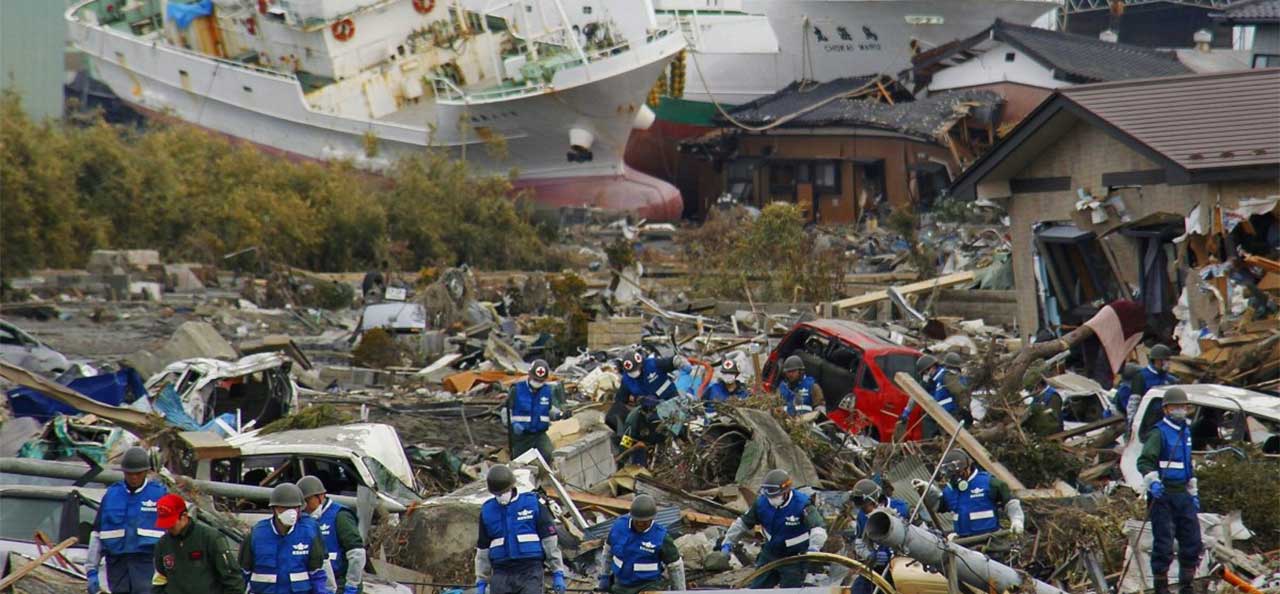
During the 1995 and 2011 Japanese Earthquakes, the Yakuza provided aid such as food, water, blankets, and diapers, much faster than the Japanese government.
When Japan's Yakuza Beat the Government to Disaster Relief
When disaster strikes, you'd expect the government to lead rescue efforts. But during two of Japan's most devastating earthquakes, organized crime got there first.
The 1995 Great Hanshin Earthquake struck Kobe at 5:46 AM on January 17, killing over 6,400 people and leaving hundreds of thousands homeless. While government agencies struggled to coordinate, the Yamaguchi-gumi—Japan's largest yakuza syndicate, headquartered in Kobe—immediately opened their offices as relief centers.
Within hours, they were distributing hot meals from their parking lot at a rate of 8,000 per day. Trucks rolled in with mineral water, powdered milk, bread, diapers, and fresh eggs. Members patrolled streets to prevent looting and used boats and helicopters to navigate around collapsed roadways when official channels were gridlocked.
Why Were Gangsters Faster Than the Government?
The Japanese government's response to Kobe was widely criticized as sluggish and poorly coordinated. Political turmoil in the 1990s had left agencies underprepared, and bureaucratic red tape delayed mobilization of Self-Defense Forces and supplies to the hardest-hit areas.
The yakuza, by contrast, had local networks, warehouses, and logistics already in place. They knew the neighborhoods. They had trucks. And they didn't need to wait for authorization from Tokyo.
It Happened Again in 2011
When the magnitude 9.0 Tohoku earthquake and tsunami devastated northeastern Japan on March 11, 2011, the yakuza once again mobilized before official relief arrived in some areas.
The Inagawa-kai syndicate sent 25 four-ton trucks loaded with paper diapers, instant ramen, batteries, flashlights, bottled water, and toiletries to the Tohoku region within 24 hours. In total, they moved over 100 tons of supplies to affected areas.
Members of the Kanagawa branch drove 70 trucks into radiation zones near Fukushima without protective gear or potassium iodide tablets, delivering supplies to areas that even some government workers were hesitant to enter.
Why Would Criminals Do This?
The yakuza have a complex relationship with Japanese society. While they engage in illegal activities like extortion, gambling, and drug trafficking, they also cultivate a public image rooted in ninkyo—a code emphasizing honor, loyalty, and helping the weak.
Historically, yakuza positioned themselves as Robin Hood-style defenders of their communities. Disaster relief reinforces this narrative and builds goodwill in neighborhoods where they operate. It's also good PR when the government looks incompetent by comparison.
Some analysts suggest the aid is transactional—creating social debt and legitimacy that makes it harder for authorities to crack down on their operations. Others point out that many yakuza members are from the same devastated communities and genuinely wanted to help their neighbors.
The Uncomfortable Truth
The reality is both can be true. The yakuza provided real, life-saving aid when people needed it most. They were organized, fast, and effective. But they're still criminal organizations that profit from vice, violence, and exploitation.
Japan's government learned painful lessons from these disasters, improving coordination and emergency response protocols. But the image of gangsters handing out diapers while bureaucrats fumbled paperwork remains one of the most striking contradictions in modern Japanese history.
- The Yamaguchi-gumi operated relief centers for weeks after the 1995 earthquake
- Some Inagawa-kai members in 2011 reportedly worked 72-hour shifts delivering supplies
- Both disasters led to public debates about yakuza legitimacy and government preparedness
- Despite the aid, Japanese authorities continued anti-yakuza crackdowns in subsequent years
It's a reminder that in a crisis, ideology matters less than action—and sometimes the most unexpected people step up when institutions fail.
Frequently Asked Questions
Did the Yakuza really help during the Japanese earthquakes?
Why did the Yakuza respond faster than the Japanese government?
What supplies did the Yakuza provide during the earthquakes?
Why would organized crime help earthquake victims?
Are the Yakuza still active in Japan today?
Verified Fact
This fact has been reviewed and verified against original sources.
Source: View sourceShow verification details
Multiple credible sources confirm Yakuza organizations provided rapid disaster relief during both the 1995 Kobe earthquake and 2011 Tohoku earthquake/tsunami, often responding faster than government agencies.