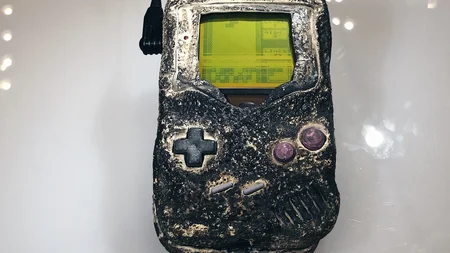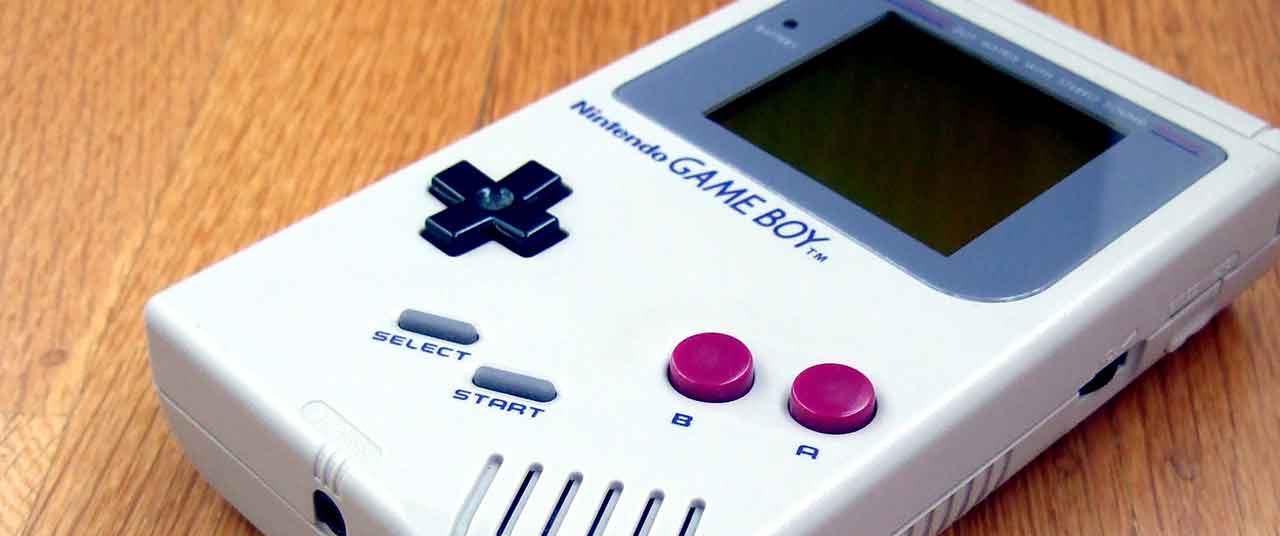
The inventor of the Game Boy, Gunpei Yokoi, started at Nintendo as an assembly line maintenance worker fixing machines before being discovered by the company president and becoming one of gaming's most influential designers.
Game Boy Creator Started as Nintendo's Machine Repairman
In 1965, a young engineering graduate named Gunpei Yokoi took a job at Nintendo—then a small company that made playing cards and toys. His role? Maintaining the machines on the assembly line. It wasn't glamorous, but it paid the bills.
What happened next would reshape the entire video game industry.
A Toy That Changed Everything
Yokoi had a habit of tinkering. During downtime, he built a lattice-like extending arm toy just for fun. Nintendo's president, Hiroshi Yamauchi, happened to spot it during a factory visit.
Most bosses would have told him to get back to work. Yamauchi saw something else: potential.
He ordered Yokoi to turn his creation into a product. The result was the Ultra Hand, released in 1966. It sold over a million units and launched Yokoi's career as a game designer.
The Philosophy Behind the Legend
Yokoi developed what he called "Lateral Thinking with Withered Technology"—using cheap, well-understood tech in creative new ways rather than chasing cutting-edge specs. This philosophy would define his career.
His greatest hits speak for themselves:
- Game & Watch (1980) – Portable LCD games that sold 43 million units
- The D-pad – The directional pad on your controller? Yokoi invented it
- Game Boy (1989) – The handheld that dominated gaming for over a decade
- Metroid – He produced this iconic franchise
The Game Boy Gamble
When the Game Boy launched in 1989, competitors mocked its green-tinted monochrome screen. Sega's Game Gear and Atari's Lynx had color displays and more power.
They missed the point entirely.
Yokoi's "withered technology" approach meant the Game Boy was affordable, durable, and had incredible battery life. While rivals drained six AA batteries in three hours, the Game Boy ran for 30+ hours on four. Parents loved it. Kids loved it. It sold 118 million units.
A Tragic End
Yokoi's later project, the Virtual Boy, flopped in 1995. He left Nintendo shortly after—though whether he resigned or was pushed out remains debated. In 1997, at age 56, he died in a car accident after getting out to inspect damage from a minor collision.
The gaming world lost one of its most innovative minds.
The Unlikely Legacy
From maintenance worker to the father of handheld gaming—Yokoi's journey proves that sometimes the most important person in the building isn't in the corner office. He didn't have the fanciest title or the biggest budget. He had curiosity, creativity, and a boss smart enough to notice.
Every time you play a Nintendo Switch, use a D-pad, or remember your old Game Boy, you're experiencing the legacy of a man who started his career keeping the assembly line running.
Frequently Asked Questions
Who invented the Game Boy?
What was Gunpei Yokoi's job before becoming a game designer?
What is lateral thinking with withered technology?
How many Game Boys were sold?
What else did Gunpei Yokoi invent?
Verified Fact
This fact has been reviewed and verified against original sources.
Source: View sourceShow verification details
Corrected the claim. Yokoi was a maintenance worker on the assembly line who fixed machines, not a janitor. He was discovered when a president saw a toy he made.
Related Topics
More from Technology & Innovation
View all Technology & Innovation →