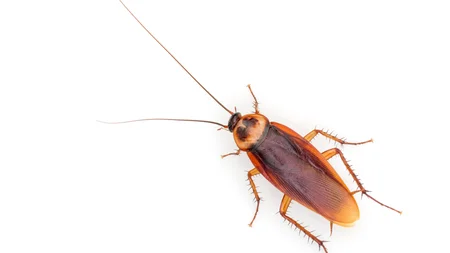
'Formicophilia' is the fetish for having small insects crawl on your genitals.
Formicophilia: The Insect-Crawling Sexual Fetish
Human sexuality encompasses an astonishing range of interests, and formicophilia ranks among the more unusual paraphilias documented by sexologists. This rare sexual fetish involves deriving erotic pleasure from having small insects—particularly ants—crawl on or nibble at the skin, especially the genitals and other erogenous zones.
The term itself tells the story: "formica" is Latin for ant, while "philia" comes from Greek meaning love or attraction. Unlike generalized zoophilia (attraction to animals), formicophilia specifically focuses on tiny invertebrates—creatures small enough to crawl across human skin without causing significant harm.
How It Works
Practitioners typically apply insects to sensitive areas of the body where the sensation of tiny legs and mandibles creates unique tactile stimulation. The genitals are common focus areas due to their heightened sensitivity, but other erogenous zones may also be involved. Some individuals use ants, while others prefer different small arthropods or even snails and mollusks.
The appeal seems rooted in the distinctive physical sensation—the tickling, crawling feeling that most people find uncomfortable becomes, for those with formicophilia, intensely arousing.
Recognized but Rare
Modern psychology recognizes formicophilia as a legitimate paraphilia, though it remains exceedingly uncommon. Like many specific fetishes, it exists on a spectrum—some people experience mild curiosity, while others have intense, persistent attraction.
Important distinctions:
- It's classified separately from zoophilia (attraction to larger animals)
- Focuses almost exclusively on invertebrates or very small creatures
- Involves tactile sensation rather than emotional connection
- Recognized in psychological classification systems
The fetish raises interesting questions about human sensory processing and sexual arousal. What causes typical tactile discomfort to become pleasurable for some individuals remains a subject of ongoing psychological research.
The Wider World of Paraphilias
Formicophilia represents just one entry in the extensive catalog of human paraphilias. From the relatively common (foot fetishes) to the extraordinarily rare (formicophilia), these interests demonstrate the remarkable diversity of human sexuality.
While it might seem bizarre to most people, formicophilia harms no one and represents a fascinating example of how differently our brains can be wired when it comes to sexual arousal. As long as all parties—human and insect alike—are handled safely, it remains simply another expression of human sexual diversity.
Frequently Asked Questions
What does formicophilia mean?
Is formicophilia dangerous?
How common is formicophilia?
Is formicophilia the same as zoophilia?
What causes formicophilia?
Verified Fact
This fact has been reviewed and verified against original sources.
Show verification details
Formicophilia is a documented paraphilia in psychological literature, defined as sexual interest in having small insects or creatures crawl on the body, particularly genitals.