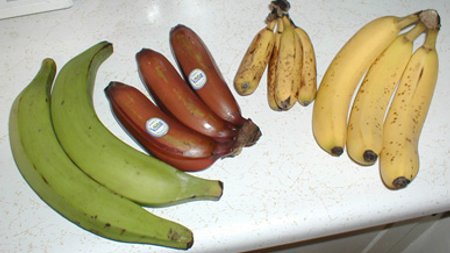
If you place a ripe banana next to a green tomato, the tomato will ripen due to the ethylene gas produced by the banana.
Bananas Can Ripen Tomatoes Through Ethylene Gas
Ever bought rock-hard green tomatoes only to have them sit on your counter for what feels like forever? There's a simple trick: place a ripe banana next to them. Within a day or two, those stubborn tomatoes will transform into the red, juicy fruits you've been waiting for. The secret? A colorless, odorless gas called ethylene.
Bananas are ethylene powerhouses. As they ripen, they pump out this natural plant hormone that basically tells nearby fruits, "Hey, it's time to ripen up!" Tomatoes, being what scientists call climacteric fruits, are particularly susceptible to ethylene's influence. When exposed to the gas, they kick their ripening process into high gear—converting starches to sugars, softening their flesh, and developing that classic red color.
The Science of Fruit Peer Pressure
Think of ethylene as nature's ripening signal. It's not unique to bananas—tomatoes produce it too, along with apples, avocados, pears, and peaches. But bananas are especially generous ethylene donors, particularly as brown spots appear on their peels. That's when they're at peak gas production.
Here's what happens at the molecular level: ethylene molecules bind to receptors in the tomato's cells, triggering a cascade of changes. Cell walls break down (making the fruit softer), chlorophyll degrades (goodbye green, hello red), and aromatic compounds develop (that tomato-y smell). The tomato was always going to ripen eventually—the banana just convinces it to hurry up.
Other Fruits That Play Well Together
This ethylene trick isn't limited to the banana-tomato duo. You can use:
- Apples to ripen pears, avocados, or kiwis
- Ripe avocados to speed up other avocados (yes, they help their own kind)
- Peaches to ripen nectarines or plums
Want to maximize the effect? Place your green fruit and ripe banana together in a paper bag. The bag traps the ethylene gas, creating a concentrated ripening chamber. Just don't use plastic—fruits need to breathe, and plastic can trap moisture, leading to mold.
When You Don't Want Ripening
This same knowledge explains why you shouldn't store bananas in your fruit bowl if you want other fruits to last longer. That ethylene is always wafting around, nudging everything nearby toward overripeness. Keep bananas isolated, or better yet, wrap their stems in plastic wrap to slow ethylene release.
Commercial fruit operations have been exploiting this ethylene effect for decades. Bananas are picked green in tropical regions, shipped across oceans while still hard and unripe, then exposed to ethylene gas in controlled ripening rooms before hitting grocery store shelves. Same goes for tomatoes, which are often harvested mature but green, then "gassed" with ethylene to ripen them on demand.
So the next time you're impatient for a green tomato to ripen, remember: you don't need fancy equipment or chemicals. Just grab the nearest banana, put them together, and let nature's ripening gas do its work. Your BLT will thank you.
Frequently Asked Questions
Why do bananas make other fruits ripen faster?
How long does it take for a banana to ripen a tomato?
Can I use other fruits besides bananas to ripen tomatoes?
Should I use a plastic or paper bag to ripen tomatoes with a banana?
How do I keep bananas from ripening my other fruit?
Verified Fact
This fact has been reviewed and verified against original sources.
Show verification details
Scientifically accurate. Bananas produce ethylene gas, a plant hormone that triggers ripening in climacteric fruits like tomatoes. This is well-documented in horticultural research and commonly used in commercial fruit ripening.