On October 24, 1921, four unidentified American soldiers lay in flag-draped caskets in a French city hall. Sgt. Edward Younger carried a spray of white roses to mark the one to bring home. He circled the caskets three times and laid the roses on the third from the left. The roses were buried with that soldier at Arlington, where sentinels still guard him around the clock.
The Sergeant Who Chose the Unknown Soldier With Roses
On October 24, 1921, a sergeant walked into the city hall of Châlons-sur-Marne, France, carrying a spray of white roses. Four unidentified American soldiers lay inside in flag-draped caskets, and his choice would decide which of them came home as the Unknown Soldier.
Four Caskets in a French City Hall
The four had been taken from American cemeteries in France, and none could be named. They were laid out in the Hôtel de Ville, the town's city hall, each under an American flag.
The sergeant was Edward F. Younger of Headquarters Company, 2nd Battalion, 50th Infantry. His task was to pick one body to stand for every American soldier of the First World War who was never identified.
Circled Three Times
He did not hurry. Younger circled the caskets three times, then placed the roses on the third casket from the left. According to accounts of the day, he stood at attention in front of it and saluted.
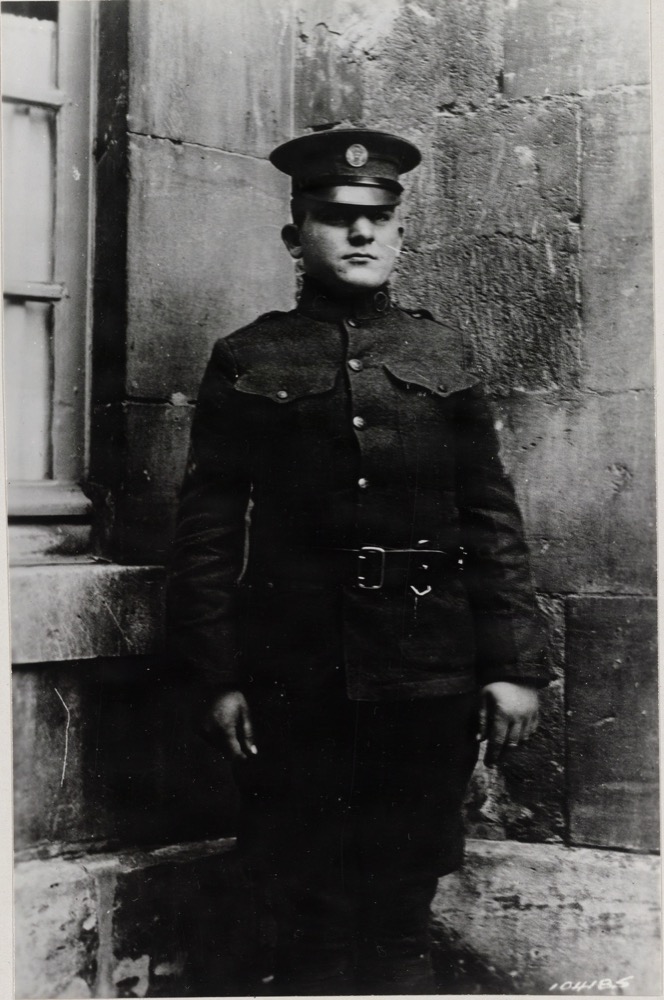
The roses stayed with the casket and were eventually buried with it.
Home to Arlington
The casket crossed the Atlantic aboard the USS Olympia and reached the Washington Navy Yard on November 9, 1921. Two days later, on November 11, the Unknown Soldier was buried at Arlington National Cemetery.
Archival footage of the 1921 Unknown Soldier:
The Watch That Followed
Army Maj. Gen. Fox Conner ordered an armed guard at the Tomb on March 24, 1926, and the first sentinel was posted the following morning. Effective July 1, 1937, the Army ordered the Tomb guarded 24 hours a day.
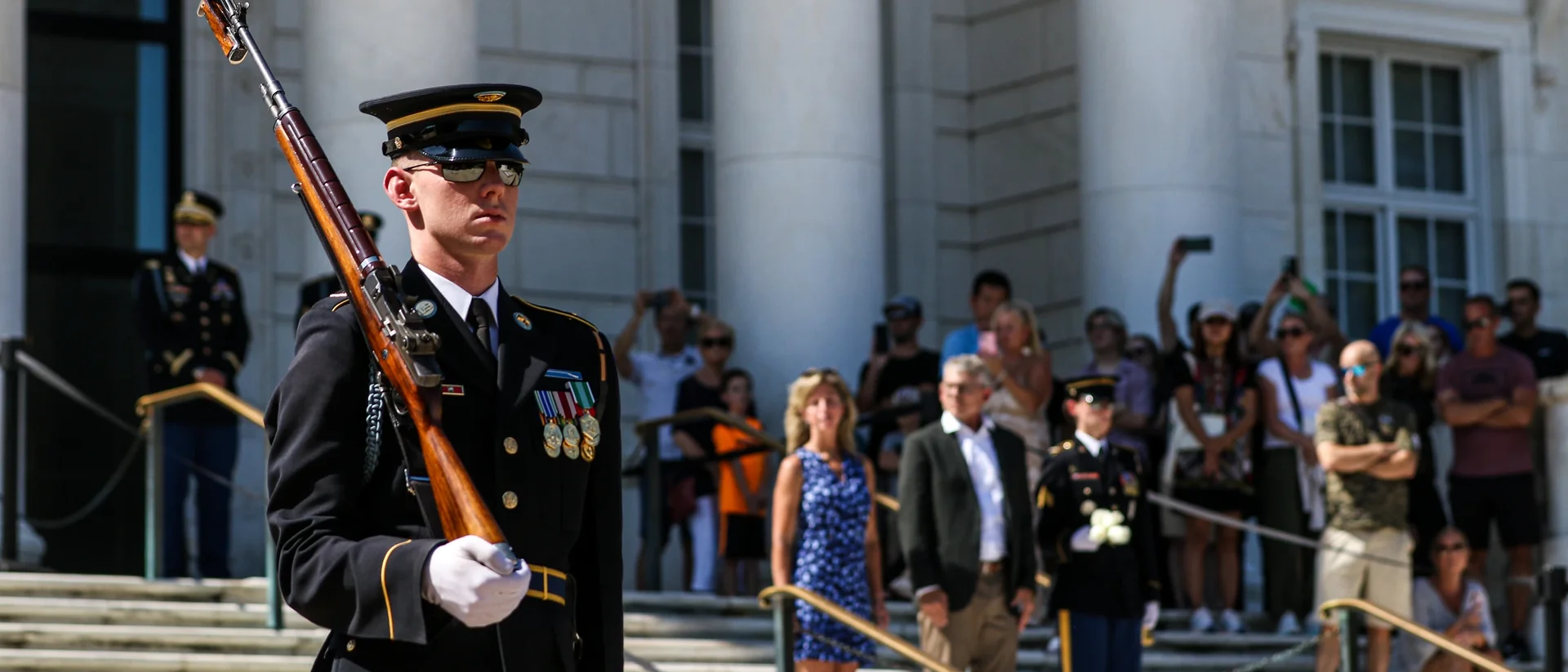
Today soldiers of the 3d U.S. Infantry Regiment, known as The Old Guard, still stand that watch around the clock. The Army says they continue through every season and storm, and the guard keeps contingency plans for lightning, high winds and other weather that puts a sentinel at risk.
The changing of the guard at the Tomb of the Unknown Soldier is open to visitors at Arlington National Cemetery. Every October 24 marks the anniversary of the day a sergeant laid the roses.
Source:U.S. Army
Enjoyed this fact?
Be the first to love this
Get a new fact every morning.
A fascinating fact in your inbox every morning. Free. Unsubscribe anytime.
Frequently Asked Questions
Who chose the Unknown Soldier of World War I?
Which casket did Sgt. Younger choose?
Were the roses buried with the Unknown Soldier?
Since when has the Tomb of the Unknown Soldier been guarded around the clock?
Do the sentinels stand watch in bad weather?
Verified Fact
Verified Oct 7, 2026 · 4 sources checked
Source: U.S. ArmyShow verification details
Claims checked
- Sgt. Edward Younger circled four caskets three times and laid white roses on the third from the left on October 24, 1921
- The caskets lay in the city hall (Hotel de Ville) at Chalons-sur-Marne, France
- The roses were buried with the Unknown Soldier
- USS Olympia reached the Washington Navy Yard on November 9; burial at Arlington was November 11, 1921
- A 24-hour guard was ordered effective July 1, 1937; the watch continues through every season and storm, with weather contingency plans
Sources: U.S. Army, Society of the Honor Guard, Arlington National Cemetery, National Archives
Related Topics
More from History & Culture
View all History & Culture →