Miami's Freedom Tower was built in 1925 as the city's first skyscraper. From 1962 to 1974, it became a federal refugee center people called the Ellis Island of the South. Hundreds of thousands of Cuban exiles fleeing Castro passed through its doors for medical care, paperwork, and a fresh start. The tower closed in 2023 for a $25 million restoration. It reopened in September 2025, 100 years after opening its doors.
Freedom Tower: Miami's 'Ellis Island' Turns 100
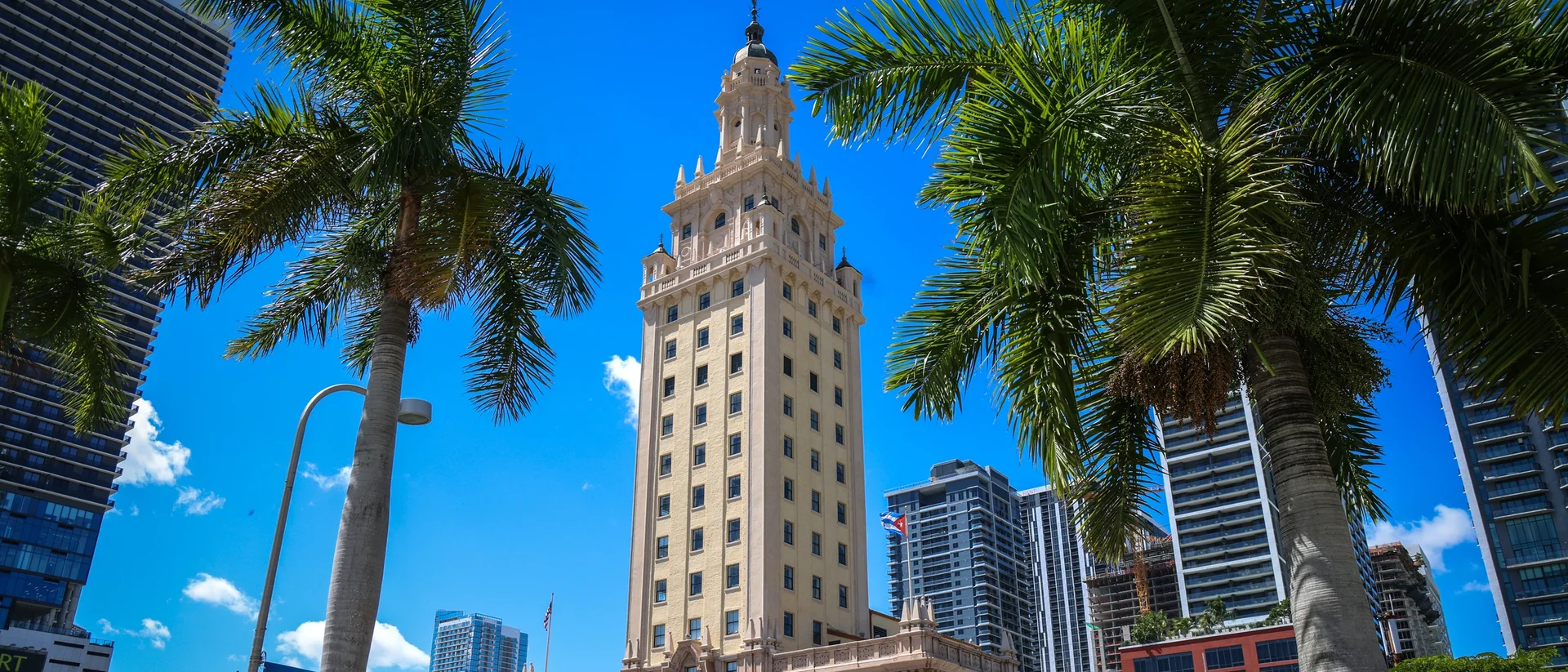
Long before anyone called it the Freedom Tower, a 17-story building on Biscayne Boulevard was just the tallest thing in Miami. A century later, it is one of the most emotionally loaded addresses in Florida, and it just reopened its doors.
Miami's First Skyscraper
Construction began in June 1924 and finished on July 26, 1925, making the tower Miami's first skyscraper. It was built as the headquarters of The Miami News, and its architects, Schultze and Weaver, modeled the design on the Giralda bell tower of Seville's cathedral, blending Spanish Renaissance Revival style with Moorish ornamentation.
At 17 stories and more than 82,000 square feet, it was the tallest building in Miami until 1928 and in Florida until 1926.
"El Refugio": Ellis Island of the South
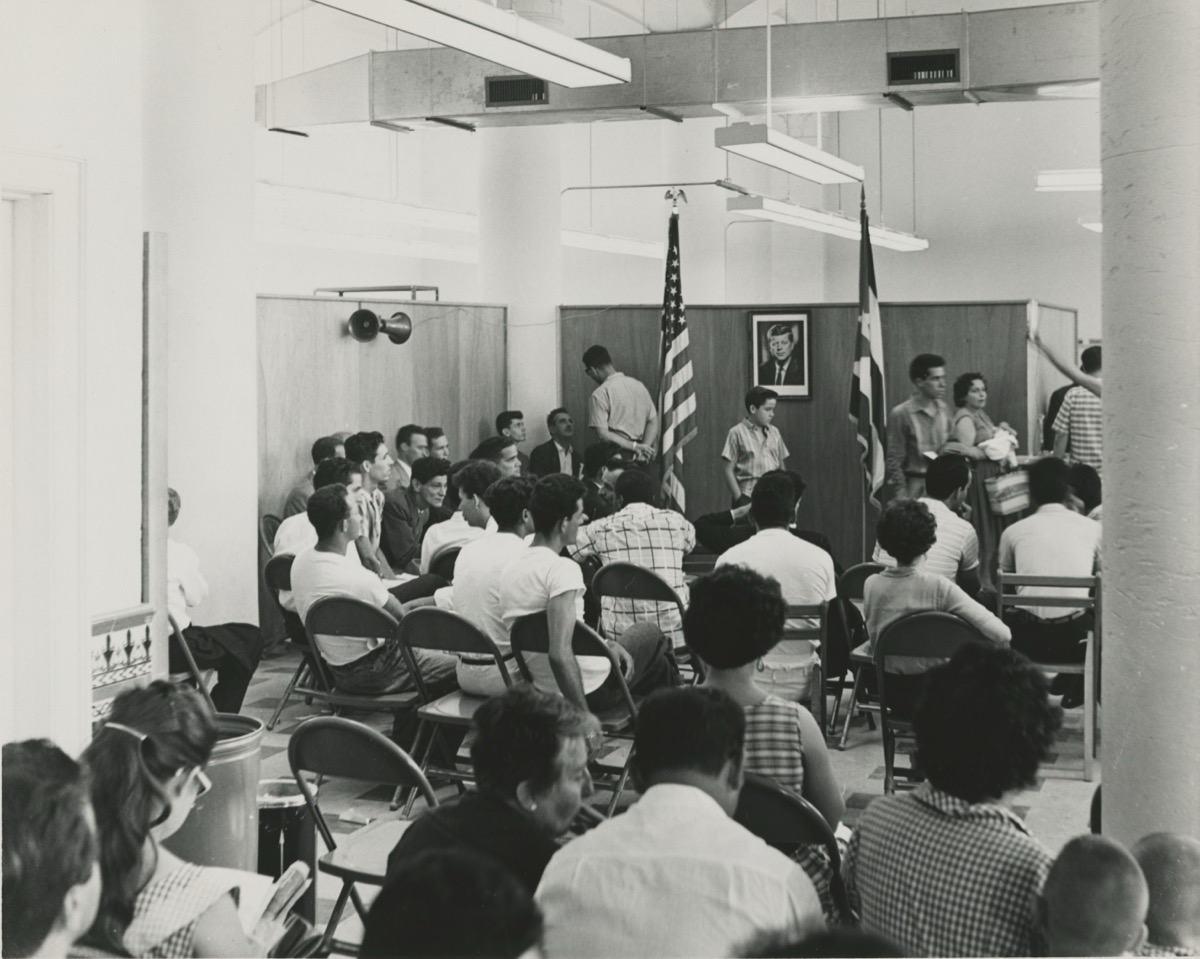
The newspaper moved out in the 1950s, and the building sat mostly empty until the U.S. government took it over in 1962. From then until 1974, it operated as the Cuban Assistance Center, processing refugees fleeing Fidel Castro's revolution.
Cubans who passed through it nicknamed it "El Refugio," and it earned a lasting title: the Ellis Island of the South.
Inside, staff handled in-processing paperwork, basic medical and dental checkups, and relief aid, and helped families track down relatives already living in the United States.
Roughly 40,000 Cubans had already fled to the U.S. by the end of 1960, and more than 175,000 arrived on the "Freedom Flights" that ran between December 1965 and December 1969.
In total, an estimated 650,000 Cuban refugees entered the country between 1959 and 1974, at a federal cost of $957 million.
Miami Dade College, which now owns the building, says hundreds of thousands of them were welcomed inside the tower itself.
A Landmark Frozen in Time
The Freedom Tower was added to the National Register of Historic Places on September 10, 1979, and designated a National Historic Landmark on October 6, 2008.
For decades it functioned mainly as an exhibition and gallery space run by Miami Dade College, a quieter second act for a building that once defined a generation's arrival in America.
100 Years, New Chapter
The tower closed in July 2023 for a $25 million restoration, covering structural repairs and a full exterior overhaul.
It reopened on September 16, 2025, almost exactly 100 years after its original opening day.
The relaunch brought new exhibits built around the building's own history, including "Languages of Migration" in the Kislak Center and an immersive experience called "Libertad," alongside contemporary art in the Wolfson Art Gallery.
Still a Beacon
The tower's rooftop beacon cupola was always meant to be seen from a distance, a literal light on the skyline.
A century after it first switched on, the building is still doing what it has always done: standing over Biscayne Boulevard as a marker of arrival, whether for a 1920s newspaper or a family that had just left everything behind.
Enjoyed this? Get a new fact every morning.
A fascinating fact in your inbox every morning. Free. Unsubscribe anytime.
Frequently Asked Questions
What is the Freedom Tower in Miami?
Why is the Freedom Tower called the 'Ellis Island of the South'?
How many Cuban refugees passed through the Freedom Tower?
When did the Freedom Tower reopen after restoration?
Is the Freedom Tower open to the public?
Verified Fact
Verified Aug 1, 2026 · 3 sources checked
Source: Miami Dade College - Freedom TowerShow verification details
Claims checked
- Built in 1925 as Miami's first skyscraper
- Served as Cuban Refugee Center from 1962 to 1974, known as Ellis Island of the South and El Refugio
- Hundreds of thousands of Cuban exiles were welcomed there
- Closed in 2023 and reopened in September 2025 after $25 million restoration
- Reopening year corrected to 2025 (was relative 100-year claim)
Sources: Miami Dade College, National Park Service, Wikipedia