⚠️This fact has been debunked
Our fact-checkers found this claim to be inaccurate. See the article below for details.
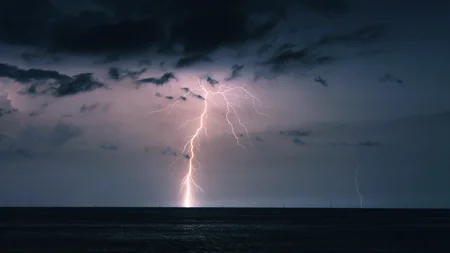
Walter Summerford was struck by lightning in 1918, again in 1924, and again in 1930. He died of natural causes in 1932. Then in 1936, lightning struck his gravestone. Even death couldn't get him off the universe's hit list.
The Shocking Truth About Walter Summerford's Luck
Prepare to have your mind blown by a tale of extreme misfortune, uncanny coincidence, and perhaps, a touch of sensational storytelling. The legend of Walter Summerford, a British ex-soldier, tells a truly electrifying - and ultimately tragic - story. It’s a narrative so wild, so improbable, that it has captivated audiences for decades.
According to the popular account, Summerford faced the wrath of the heavens not once, not twice, but three times during his life. And, in a macabre twist of fate, even his gravestone was allegedly targeted by a bolt from above after his death. It's the kind of story that makes you wonder about destiny, luck, and the sheer power of nature.
The Legend: Three Strikes and a Headstone
The story usually begins during World War I. While serving in the British army in Belgium in 1918, Walter Summerford was said to have been thrown from his horse by a lightning strike. This initial, brutal encounter supposedly left him paralyzed from the waist down.
Despite the severity of his injuries, he fought his way back, eventually regaining the ability to walk.
Six years later, in 1924, his electrifying ordeal reportedly continued. Having moved to Canada, Summerford was fishing by a river when lightning struck a tree beneath which he had sought shelter.
The current, it's claimed, traveled down the tree, reaching him and once again impacting his body. Astonishingly, this second strike was said to have had a paradoxical effect, helping to alleviate his paralysis further.
But the lightning wasn't done with Walter Summerford. In 1930, while out for a stroll in a local park, the heavens opened up with yet another fateful flash.
This third, devastating strike supposedly left him completely and permanently paralyzed. He would eventually succumb to his injuries, passing away just two years later.
- Strike 1: 1918, Belgium, WWI - paralyzed from the waist down.
- Strike 2: 1924, Canada, fishing - partially recovered from paralysis.
- Strike 3: 1930, Canada, park - permanently paralyzed.
- Death: 1932.
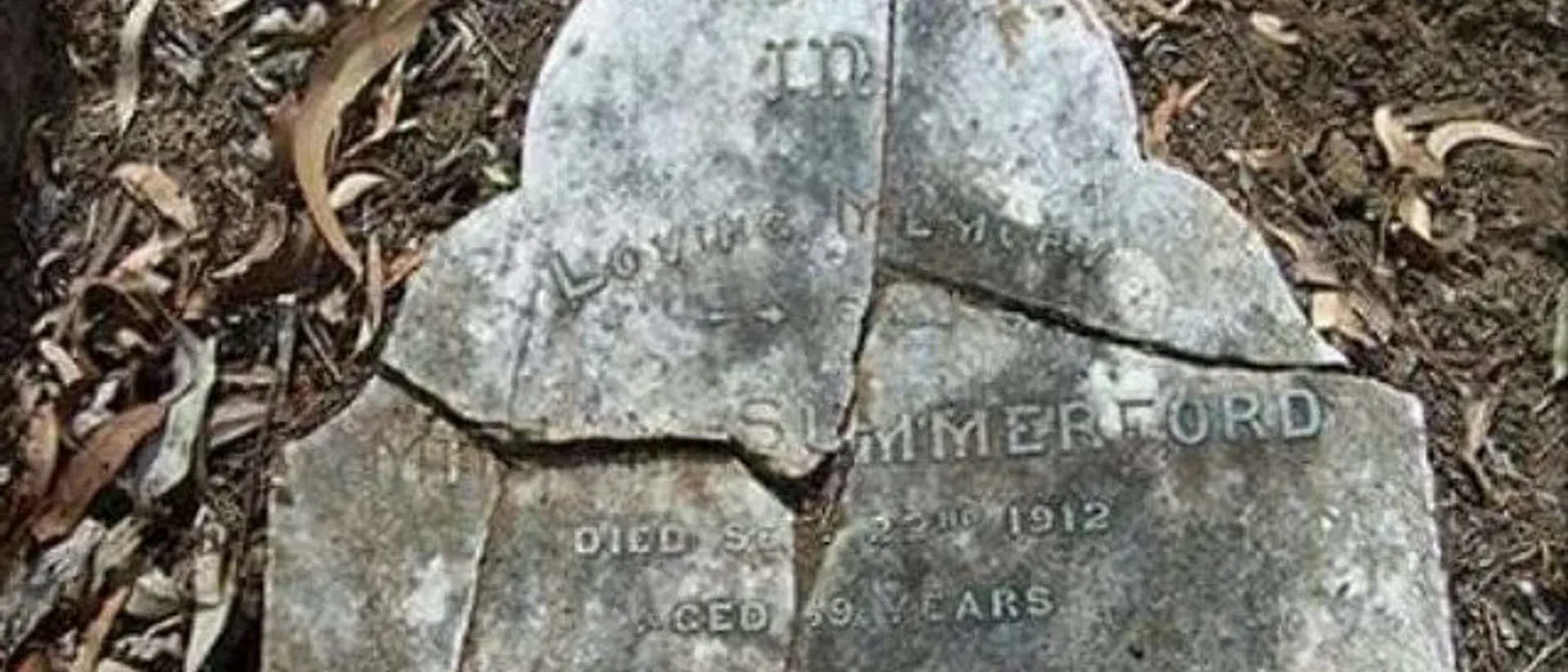
Yet, the legend states that the lightning still wasn't finished with poor Walter. Four years after his burial in Mountain View Cemetery in Vancouver, British Columbia, a violent storm raged.
During this storm, his gravestone was reportedly struck by lightning, shattering the stone to pieces. It’s a truly bizarre and compelling coda to a life lived under a literal storm cloud.
The Shocking Truth: A Myth Debunked
While the story of Walter Summerford has been repeated countless times across various platforms, often presented as an incredible true fact, its accuracy is, in fact, highly dubious.
A thorough investigation into the claims reveals a striking lack of corroborating evidence.
Researchers and skeptics have poured over historical records, military archives, hospital admissions, and cemetery logs. Yet, no verifiable evidence has emerged to confirm the existence of a Walter Summerford with such an extraordinary lightning-prone history.
Details like specific dates, locations, and even the reported images of Summerford have been inconsistent or proven to belong to other individuals.
Many credible sources now categorize the tale as an urban legend or an elaborate hoax. The inconsistencies in dates of death, varying locations, and the absence of any official documentation strongly suggest that this is a story that has grown in the telling, rather than a factual account.
Why do such stories persist? The human mind is drawn to patterns, to narratives of extreme luck or unluck, and to the idea of fate.
The sheer improbability of being struck by lightning multiple times, coupled with the dramatic final act of the gravestone being hit, creates a compelling, almost mythical figure in Walter Summerford. It speaks to our fascination with the rare, the terrifying, and the seemingly predestined.
So, while the idea of Walter Summerford's terrible luck is truly mind-blowing, the real mind-blower might be that this widely believed tale is, almost certainly, nothing more than a captivating piece of folklore.
It serves as a potent reminder to always question the extraordinary and to seek verification, no matter how compelling a story might seem.
Frequently Asked Questions
Is the Walter Summerford lightning story true?
What evidence exists for Walter Summerford's lightning strikes?
Why is the Walter Summerford story so popular?
Are there other similar cases of multiple lightning strikes?
How can one verify unusual historical facts?
Related Topics
More from Places & Culture
View all Places & Culture →