A timber beetle larva was gnawing through a tree stump. Its jaws curled left, then right, in alternating C-shaped bites. Oregon logger Joe Cox stopped to watch it in 1946. He spent that summer in his basement copying the shape into steel. The first Cox Chipper Chain sold in 1947. That idea became the basis of modern saw chain, still widely used today. Look at your own chain: the cutters still alternate left, right, left.
How a Beetle Grub Inspired the Modern Chainsaw Blade
In 1946, an Oregon logger named Joe Cox was salvaging timber after a wildfire when he found tunnels chewed through a hollow stump. Inside was a beetle larva, and the way it cut wood became the basis of modern saw chain, a design still widely used today.
A Bug in a Burned Stump
Cox was working the Tillamook Burn, a stretch of Oregon forest torched by a series of major fires in the 1930s and 1940s. Loggers were racing to salvage the scorched timber before it rotted.
Most saws of the era cut like a straight handsaw, tearing wood back and forth in one line. The larva in the stump did not work that way.
Cox studied it under magnification. Its jaws curled left, then right, cutting sideways across the grain as easily as it cut straight through.
A Summer in the Basement
Cox had trained as a machinist in railroad shops before he ever became a logger. That mechanical background is what let him take an idea from nature and turn it into steel.
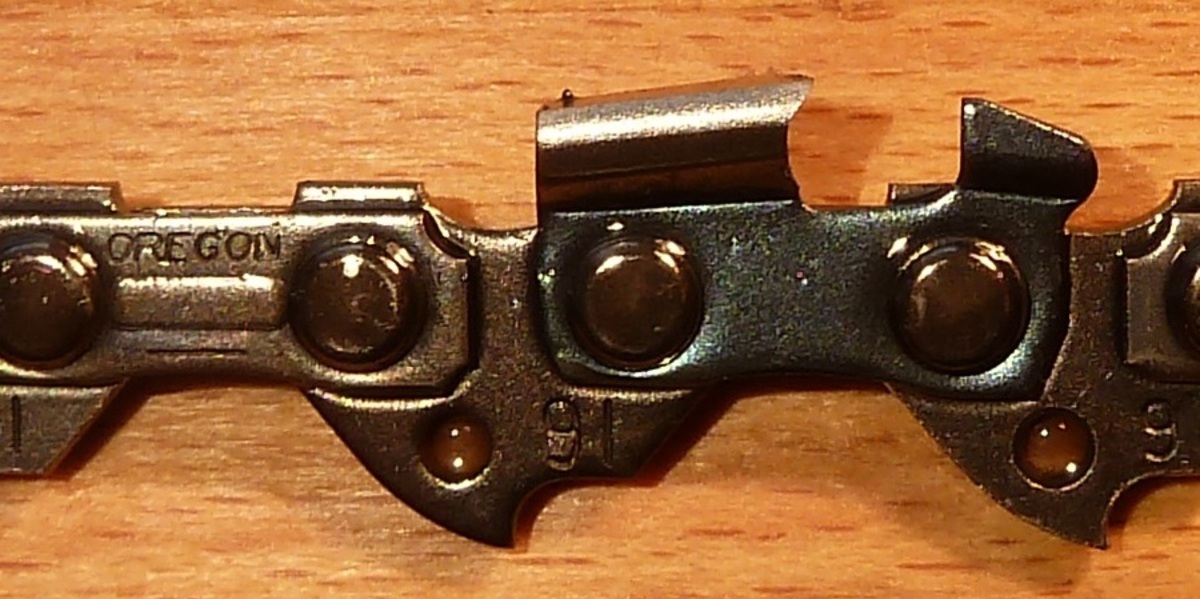
He spent that summer in the basement workshop of his Portland home, filing new teeth by hand. Instead of cutting straight ahead like existing "scratcher chains," his teeth pointed left and right in turn, curling over the top the way the larva's jaws did.
Cox patented the design before it ever reached a store shelf.
The Cox Chipper Chain
The first Cox Chipper Chain was produced and sold in November 1947, according to Oregon Tool's company history.
Joe and his wife Alice founded the Oregon Saw Chain Manufacturing Corporation that same year in Portland, starting with four employees and one product.
The alternating-tooth chain cut faster than the scratcher chains loggers had used for decades, and needed far less muscle to push through wood.
Still Cutting the Same Way
Oregon Tool, the company Cox founded, still manufactures saw chain today, with plants in several countries and thousands of employees.
By the company's own account, the alternating left-right cutter idea Cox copied from a beetle larva became the basis of modern saw chain and is still widely used across the industry, nearly 80 years later.
Pick up almost any saw chain today and look closely at the cutters. They still point left, then right, then left again, the same bite Cox found in a burned-out stump.
Frequently Asked Questions
Who invented the modern chainsaw cutting chain?
What inspired Joe Cox's saw chain design?
When did the first Cox Chipper Chain go on sale?
Is the beetle-larva origin story verified history or company legend?
Is Cox's alternating-tooth design still used today?
Verified Fact
Verified Sep 1, 2026 · 4 sources checked
Source: Oregon Tool (Oregon Products company history)Show verification details
Claims checked
- Joe Cox, an Oregon logger, found beetle larva tunnels while salvaging burned timber in 1946
- He copied the larva's alternating left-right bite into a saw chain, built that summer in his Portland basement
- The first Cox Chipper Chain sold in November 1947, and his company became Oregon Tool
- The alternating cutter design is still widely used across the saw chain industry today
- The beetle-larva inspiration is Oregon Tool's own company account, also called a legend by one independent outlet
Sources: Oregon Tool, Wikipedia, Northern Woodlands