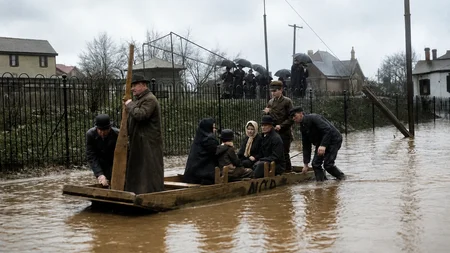
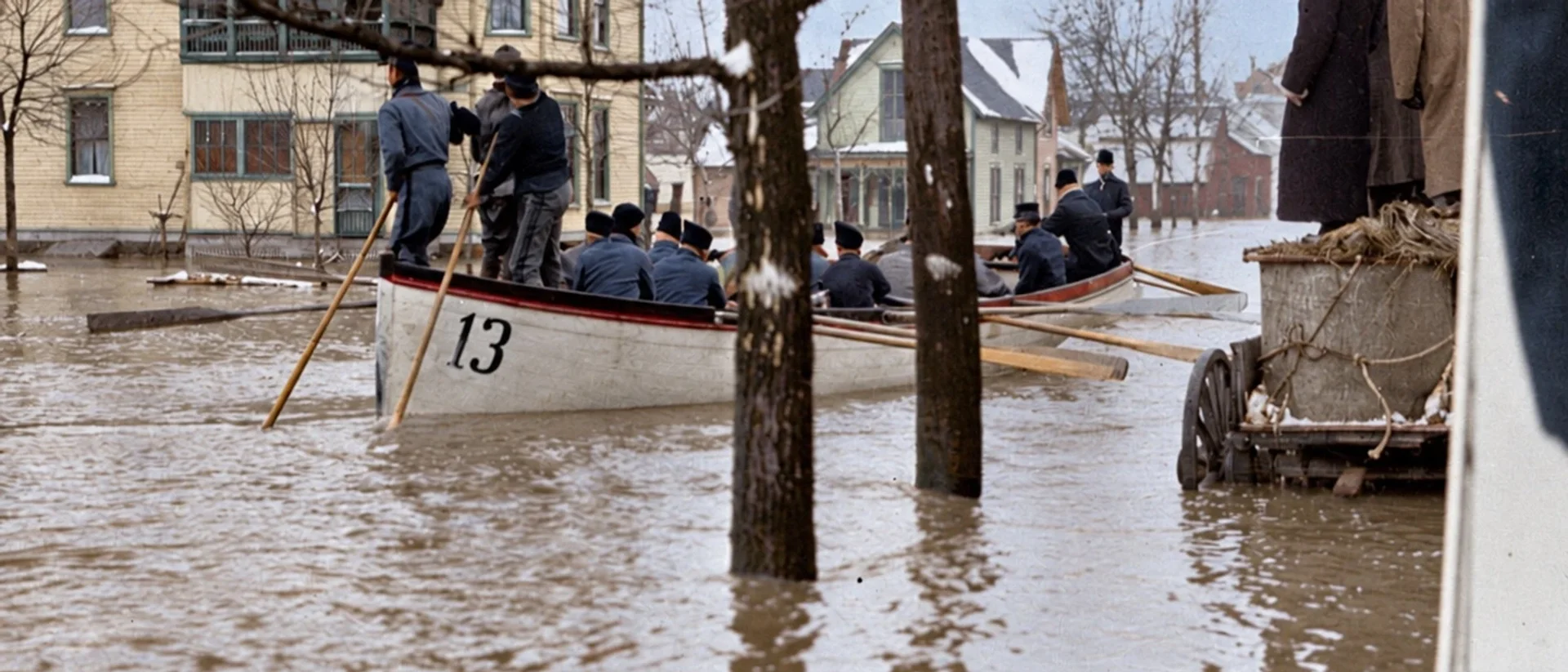
About 60 military school cadets rowed more than 1,400 people out of flooded Logansport, Indiana, in 36 hours. Called near midnight in March 1913, the Culver cadets carried four 28-foot Navy boats half a mile through snow to a train, and a 16-year-old judged too small hid under a tarp. Staff and local police went out with them. New students still walk through the gate the town gave Culver.
Sixty Cadets Put Navy Boats on a Train
In late March 1913, the mayor of flooded Logansport, Indiana, phoned a military school 40 miles north and asked for its Navy boats. By dawn, about 60 Culver cadets had loaded four of them onto a train and were on their way south.
A Phone Call Near Midnight
Logansport sits where the Wabash and Eel rivers meet. Both were cresting, and the water spread across a flood zone about a mile and a half wide, covering the business and residential districts. Many residents were trapped, some without food or clean water for almost two days, in freezing temperatures and falling snow.
Near midnight, Culver Military Academy Superintendent Lt. Col. Leigh Gignilliat took a long-distance call from Logansport Mayor David Fickle. The mayor wanted Culver's Navy cutters, the big boats the school had borrowed from the U.S. Navy for summer naval training on Lake Maxinkuckee. Each was 28 feet long and needed 10 oarsmen and a helmsman.
The Boats Go on a Train
Gignilliat woke some 60 cadets, all teenagers. About 45 had trained with the boats in the Naval School, and 15 were football players.
By lantern light, 20 boys carried each cutter half a mile across snow-covered ground in the dark to the school's railroad spur, where the boats were loaded onto flatcars. They finished around 3 a.m.
The crews climbed into the caboose, and the locomotive crept south over culverts and bridges weakened by the rushing water.
One more cadet was aboard. Sixteen-year-old Elliott White Springs had been judged too young and small for the job, so he hid under the tarpaulin of one of the cutters. Gignilliat found him en route and put him in his own boat.
36 Hours in Icy Water
The train reached Logansport at daybreak. The city was dark, its electricity knocked out by the flood.
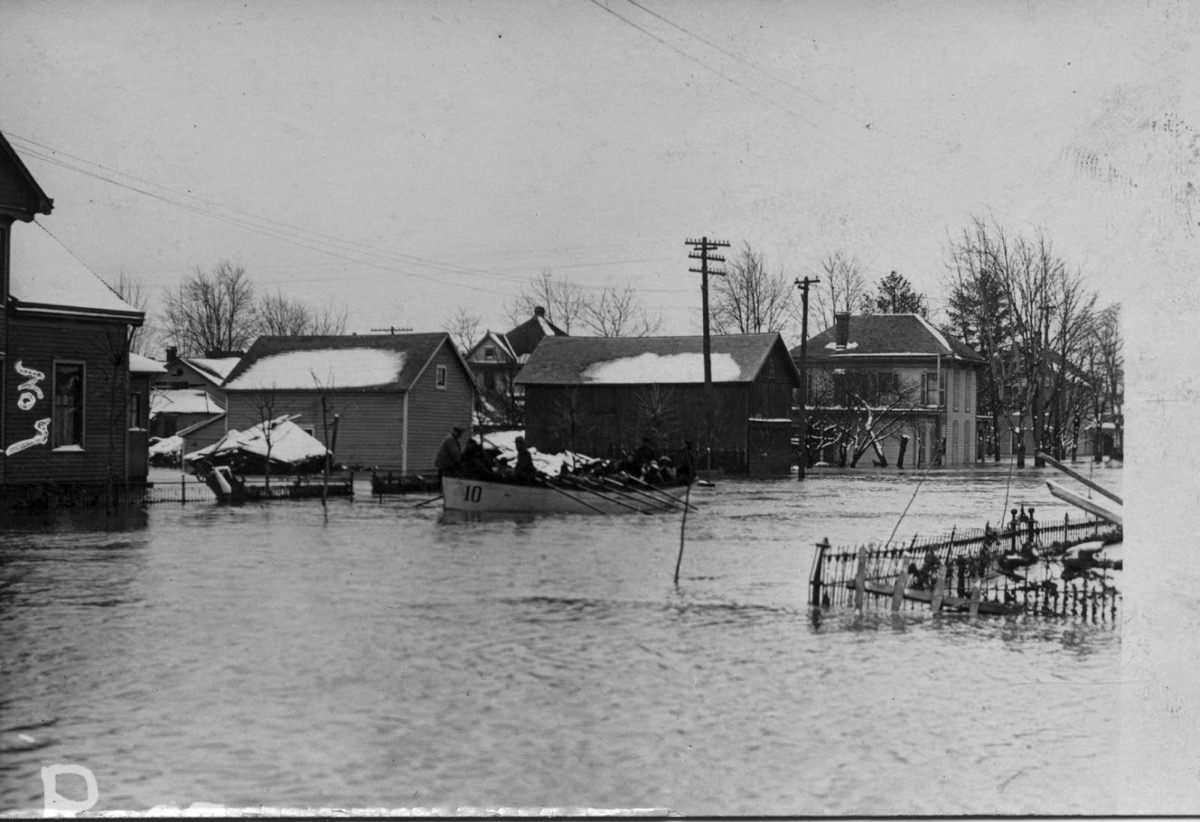
At the mayor's request, each cutter carried a Logansport policeman as well as its crew of 11 cadets and an adult member of Culver's military staff. The cadets rowed down flooded streets to reach people in attics, on rooftops and in second-story windows.
The work was hard and dangerous. Gignilliat wrote that his boat was caught in a whirlpool at a street crossing and spun like a top, and two heavy oars snapped against a telegraph pole. The crew had brought spares. Later a driving snowstorm half blinded the rowers, and their hands were so cold they could barely hold the oars.
Gignilliat also remembered how gently the boys treated the old, the young and the sick. One elderly man, lifted down a ladder by his cadet rescuer, told him: "I am not afraid for you to carry me down the ladder, comrade. This is the third time that I have been carried by a soldier - twice when wounded in the Civil War."
In about a day and a half, the cutters rescued more than 1,400 people. Captain Robert Rossow, who commanded one boat, counted 1,492, and Culver's own centennial account puts the total at about 1,500 over two days. Davies reports no serious injuries among the rescuers.
The water had fallen too far by then to put the boats back on the train. The cadets left them and marched to the depot, singing and giving a school yell.
The Gate the Town Gave Back
Logansport did not forget. The city council voted to pay for a bronze and brick memorial gate at the entrance to the school, and it was dedicated in May 1914 on "Logansport Day." Thousands of Logansport residents boarded two trains for the 40-mile trip north to Culver to thank the cadets in person.
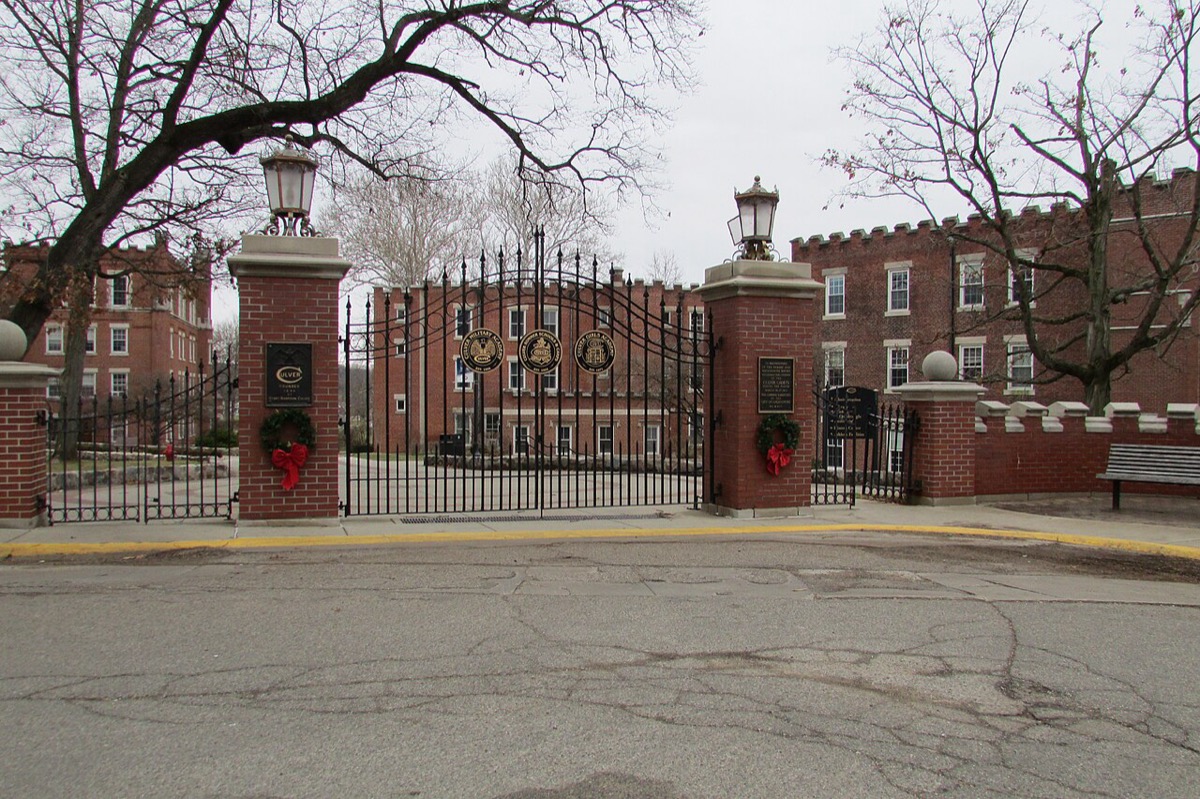
The gate is still there. Culver's own traditions page says each year's matriculation "involves passing through the Logansport Gate," and the school says every entering student has walked through it since 2003.
Elliott White Springs, the stowaway, went on to attend Princeton and became a World War I flying ace credited with 16 aerial victories.
Enjoyed this fact?
Be the first to love this
Get a new fact every morning.
A fascinating fact in your inbox every morning. Free. Unsubscribe anytime.
Frequently Asked Questions
How did Culver cadets rescue people in the 1913 Logansport flood?
How many people did the Culver cadets save in Logansport?
What is the Logansport Gate at Culver Academies?
Who was the cadet who stowed away on the Culver rescue train?
Verified Fact
Verified Nov 19, 2026 · 5 sources checked
Source: Culver Alumni Magazine (Richard Davies)Show verification details
Claims checked
- Logansport's mayor phoned Culver near midnight, about 40 miles north, in March 1913
- About 60 cadets carried four 28-foot Navy cutters half a mile through snow to a train
- A 16-year-old judged too small hid under a tarp and was found en route
- Staff and a local policeman rode in each boat
- More than 1,400 people rescued in about 36 hours (Culver's own account says about 1,500 over two days)
- New students still walk through the Logansport Gate, a 1914 gift from the town
Sources: Culver Alumni Magazine (Davies), Culver Academies, Purdue Climate Center
Related Topics
More from History & Culture
View all History & Culture →